
Editor's Note
This editor’s note highlights the key facts and market implications behind “Smart Toilets Measure Hydration Levels of Walker”, with emphasis on sourcing, product fit, fabrication, logistics, or buyer impact.
Smart Toilets Measure Hydration Levels of Walkers: ‘Over 20 Percent Arrive Dehydrated’
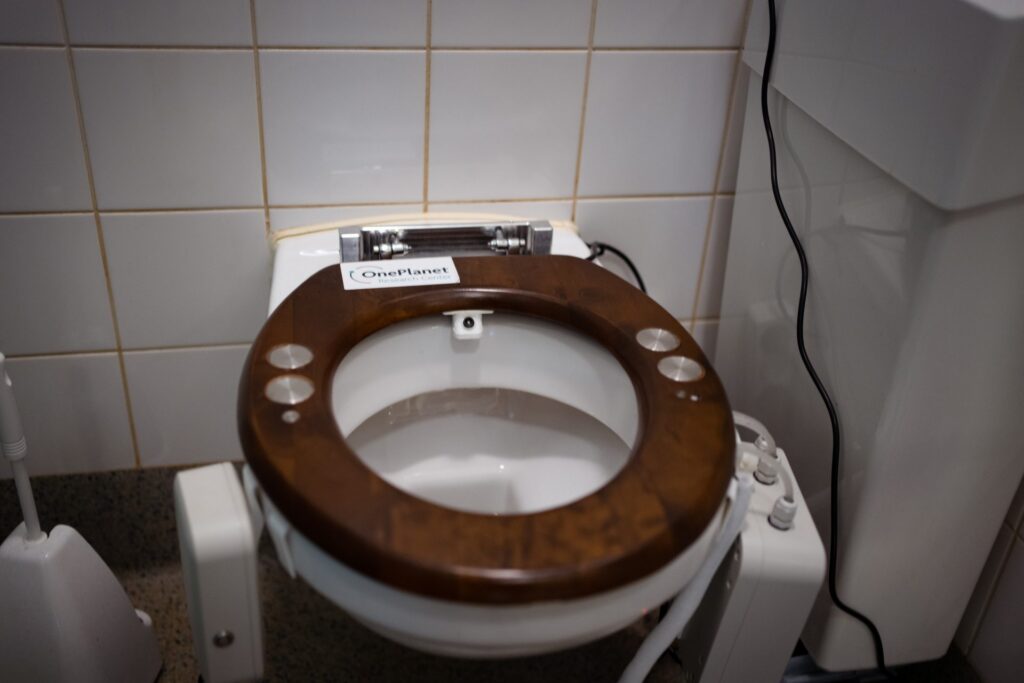
Researchers are using smart toilets to study the hydration balance of participants during the Four Days Marches. A toilet that tells you to drink more water or take it easy sounds like science fiction, but thanks in part to researchers from Radboudumc, it could become reality. During the event, a research center is set up at the Karel de Grote College secondary school near the start/finish location. Scientists are conducting week-long research on hydration balance and temperature regulation among walkers. Coen Bongers, a physiologist at Radboudumc and lecturer at HAN, explains: "We are studying three groups of walkers: one group taking diuretics (a medication prescribed for high blood pressure), another group on other medications, and a group without medication." "Diuretics are water pills," Bongers continues. "They help you lose excess fluid, which can lower blood pressure. We are investigating the effect of these pills on walkers' hydration balance—whether they dehydrate faster than other participants." The smart toilets, equipped with seat-integrated heart rate and blood pressure monitors, analyze urine color and temperature. Some urine is collected in tubes for further analysis. Walkers also self-report fluid intake and toilet visits, while weight measurements and blood/urine analyses are conducted. "For us, it's an interesting scientific study, but we can also extract concrete tips for walkers," says Bongers. "Previous hydration research shows that 20 to 25 percent of walkers arrive dehydrated at the finish line on the first day. We can then advise drinking more, slowing the pace, or increasing electrolyte intake." "This year, we specifically want to measure whether it's advisable for people using diuretics to reduce their medication during intense exertion like four consecutive days of walking—always in consultation with their doctor, as those with high blood pressure shouldn't adjust medication arbitrarily." Radboudumc researchers were also involved in last year's decision to cancel the first walking day due to heat. "I think that was the only right decision," Bongers reflects. "If nearly a quarter of walkers are dehydrated on an average day, it would be irresponsible to walk in 38-degree heat." The researchers hope smart toilets, developed by partner OnePlanet Research Centre in Wageningen, could eventually aid healthcare—for example, in nursing homes or hospitals. "It would be great if caregivers could monitor patients' health this way, without needing urine jars or extra measurements. Many more things can be measured from urine than just hydration levels," Bongers notes. The toilet could do all the work.

Source: Read the original article | Published: July 21, 2023