
Editor's Note
This editor’s note highlights the key facts and market implications behind “Top Safety: Innovative and Hygienic Surfaces for”, with emphasis on sourcing, product fit, fabrication, logistics, or buyer impact.
In a time when attention at home is also focused on health, sustainability, and hygiene, manufacturers of surfaces for countertops and interior finishes are responding with products that are safe in every respect, thanks to cutting-edge processes. Antibacterial surface treatments and production techniques that guarantee resistance and durability are combined with raw and recycled materials and innovative materials that evoke and respect nature. Captivating colors and textures are thus allied with excellent workmanship that makes countertops and surfaces also hygienic and unalterable over time.
LAPITEC
Lapitec is a 100% natural material produced with a patented process for compacting mineral powders through high-temperature firing and a vacuum vibro-compression process, without resins or other petroleum derivatives. The result is a 'full-body' surface with high performance, self-cleaning, hygienic, and antibacterial, resistant to chemicals and acids, thermal excursions, abrasion, and fire. Being non-porous, unalterable, and free of toxic additives, Lapitec is inhospitable to mold and bacteria and is therefore ideal for contact with food and for use as a countertop for kitchens and integrated sinks, as well as for external and internal wall cladding, flooring, and ventilated facades.
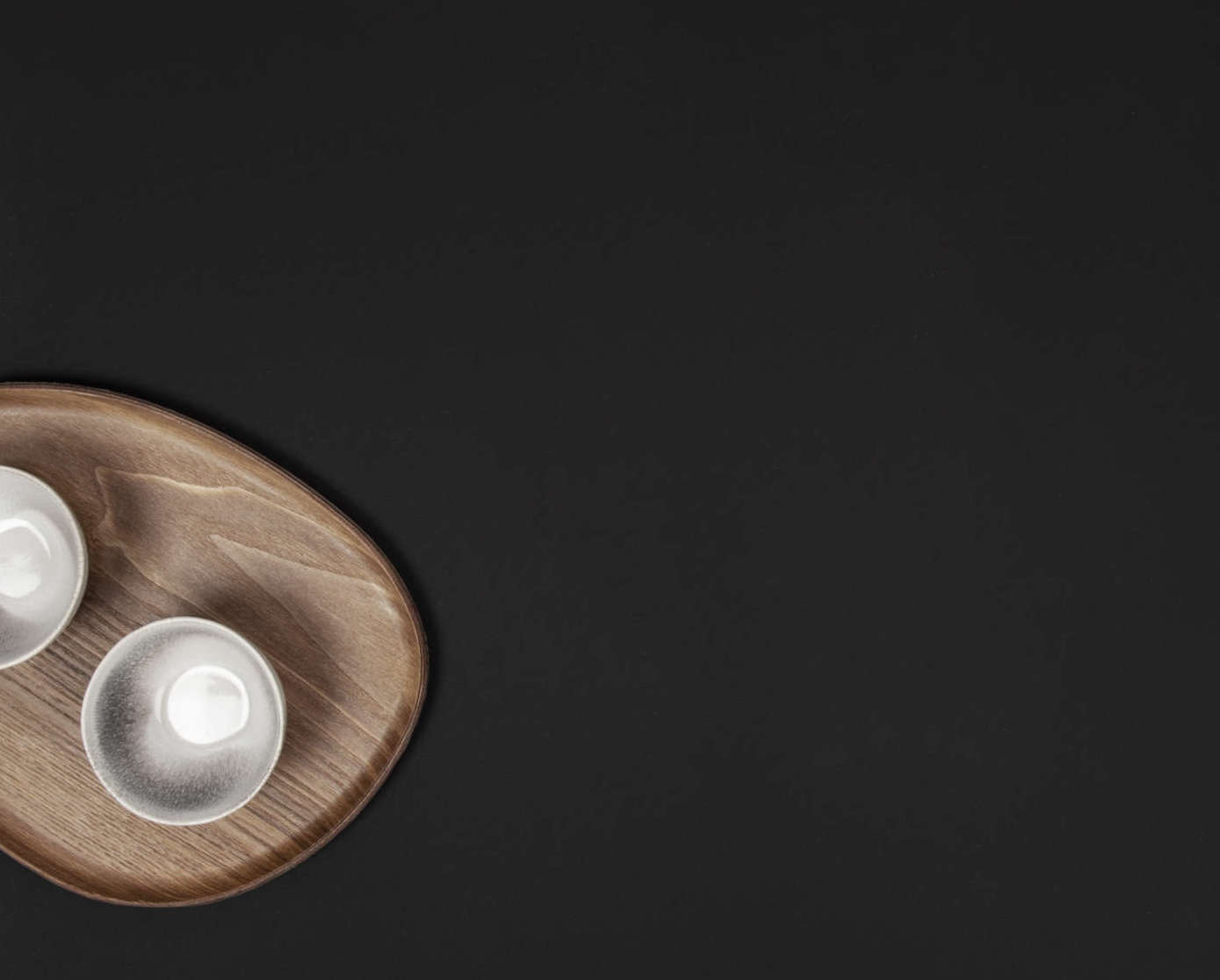
Lapitec has also obtained the international GreenGuard certification issued by UL Environment, which certifies that the product does not emit pollutants and can also be used in sustainable building projects. Lapitec is available in large slabs (1500 x 3365 mm), in three collections, 17 shades, and seven finishes ranging from glossy or satin to those resembling natural stone.
COSENTINO
Launched on the global market last October, the Loft Series quartz countertop series is the first result of the new HybriQ technology developed by Cosentino, which demonstrates its commitment in terms of sustainability. The manufacturing process is based on the reuse of raw materials such as recycled glass, plus 98% recycled water and 100% renewable energy. The crystalline silica, a necessary component of quartz countertops, is thus significantly reduced and replaced by a mixture of minerals and recycled raw materials that gives the Loft Series high aesthetic characteristics.
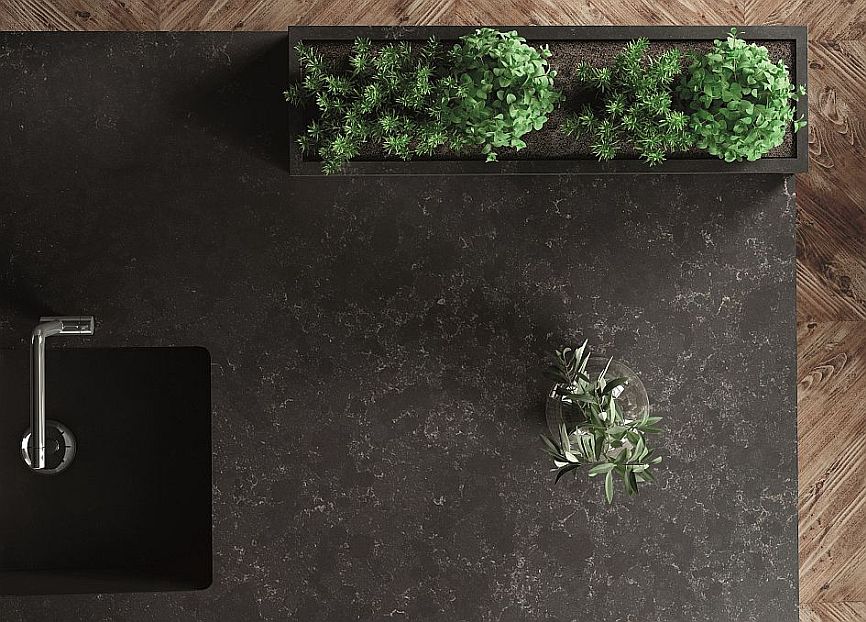
The series offers 5 colors inspired by industrial style, corresponding to the names of iconic neighborhoods of major world metropolises: Poblenou, Corktown, Camden, Seaport, Nolita. The series is guaranteed for 25 years.
CEMENTO LINE
Cemento Line produces custom-made concrete countertops. The concrete possesses the characteristics of stones and granites; it is natural and non-toxic as it is composed of aggregates and minerals, and is therefore ideal for kitchen countertops and surfaces in contact with food. Being a company that creates custom creations, the countertop was easily produced with an extraordinary length of 340 cm and a width of 90 cm; the concrete side completes the composition, giving a mono-material look to the volume.
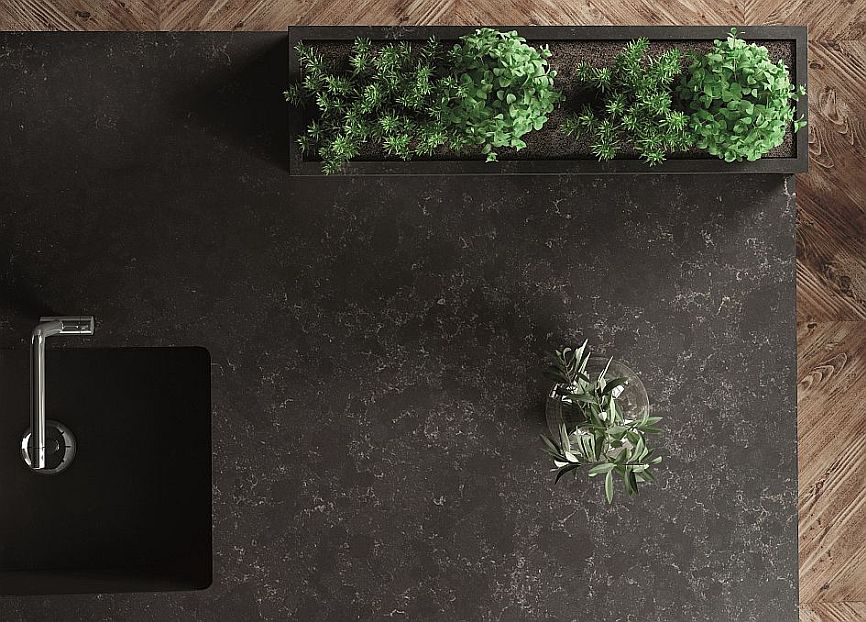
As with all Cemento Line countertops, in this solution the top is made of lightweight monolithic concrete and is produced without cuts or joints thanks to a technology that allows for the production of large surfaces with contained weights, reaching up to countertops 8 cm thick.
LAMINAM
In a private house built in 2020 in Brisbane, Australia, by Joe Adsett Architects studio, this kitchen features countertops and splashbacks in Laminam with Diamond Cream finish, from the I Naturali collection. The result of a sintering process that subjects raw materials to temperatures above 1200°C, their compactness and surface non-absorbency prevent the development of microbes, bacteria, and mold. The standard finishes are inherently bacteriostatic; tests guarantee the reduction of microbes, bacteria, and mold by up to 93% on surfaces without additional treatments.
Source: Read the original article | Published: March 24, 2021