
Editor's Note
This editor’s note highlights the key facts and market implications behind “No Shower Door, No Problem: ‘Wet Rooms’ Are the “, with emphasis on sourcing, product fit, fabrication, logistics, or buyer impact.
As homeowners install wellness upgrades, bathrooms have become spaces to recharge, not just rinse off.
Why it matters: 1 in 6 renovated bathrooms (16%) now feature a "wet room," up 3 percentage points from the prior year, according to a nationwide Houzz study.
Between the lines: These spa-style rooms are built to get wet — sometimes without a shower door. Designers warn they can cause damage if not waterproofed properly.
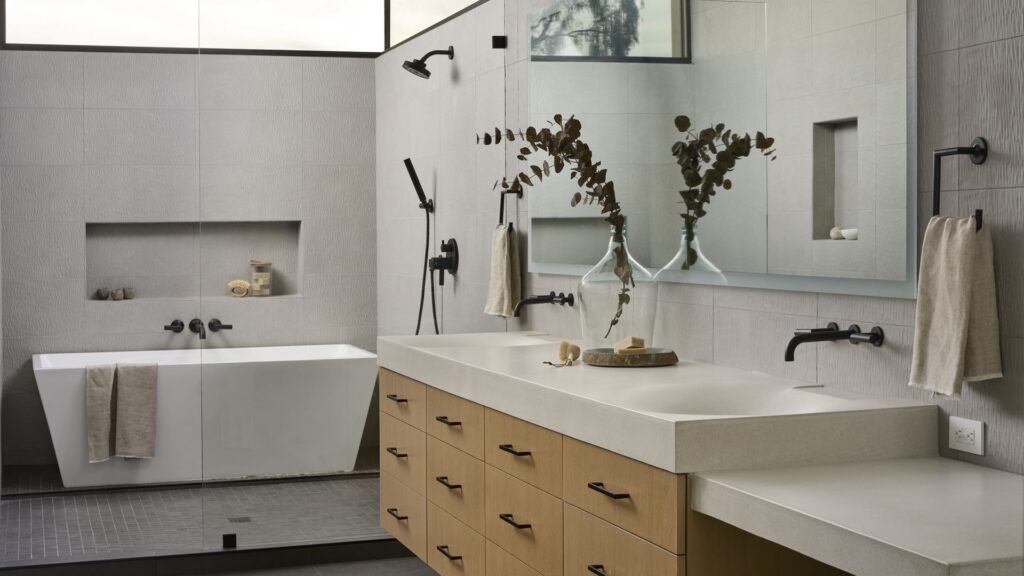
How it works: "True" wet rooms are like wide-open showers, though modern versions can have "full glass enclosures" that stretch wall-to-wall and reach the ceiling, House Beautiful's Carisha Swanson recently told the magazine. Larger versions often add a freestanding tub. Luxury upgrades include steam rooms and saunas.
What we're hearing: Many homeowners say they're drawn to wet rooms for the aesthetics, "better use of space," or easier accessibility for people with mobility issues, per Houzz, a design and remodeling site.
Yes, but: Tariffs could make imports, from Italian tile to Chinese plumbing fixtures, more expensive. Remodeling costs may rise.
Follow the money: Installing a wet room averages $13,000, running as low as $5,000 and as much as $35,000, per Angi, formerly Angie's List.
Reality check: Not everyone's sold. Skeptics say open-concept versions can splash floors and toiletries and feel chilly without doors to trap steam.
Mitchell Parker with Houzz notes that pros suggest radiant heat, nonslip flooring, and waterproof barriers on walls and beneath tile.
The bottom line: Wet rooms offer everyday indulgence — if you're ready for the price and a soggy towel or two.
Source: Read the original article | Published: October 19, 2025