This editor’s note highlights the key facts and market implications behind “Adapting a Bathroom for an Elderly Person”, with emphasis on sourcing, product fit, fabrication, logistics, or buyer impact.
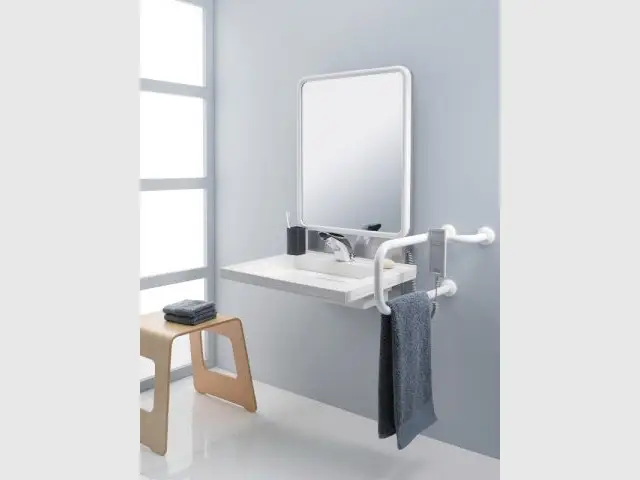
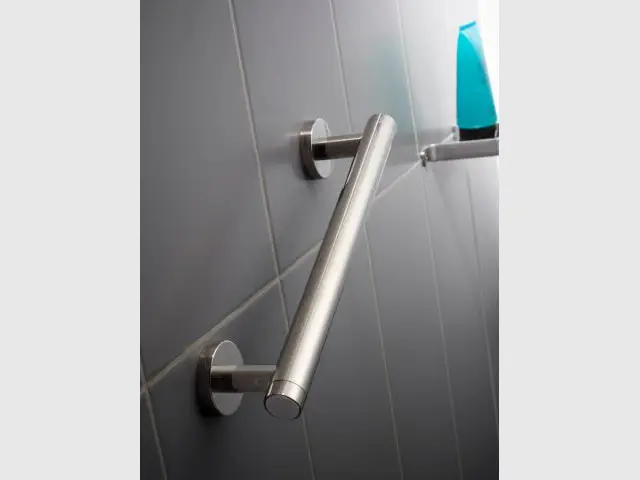
To prevent elderly people from straining their backs by bending over the sink during washing. A metal bar, securely fixed to the bathroom wall, in the bathtub or shower, near the sink or toilet, etc. Because it is easier to get out of the bathtub or rise from the toilet by holding onto a bar, and also because the wet bathroom floor increases the risk of slipping. For small spaces or homes not equipped with a shower. A bath mat to install at the bottom of the shower tray, with a non-slip surface that limits the risk of falls. Because sitting on a seat that is too low is difficult for elderly people, for example due to joint problems. Higher toilets make use easier. An accessible bathroom. A sink in front of which one can sit. An electric sink with adjustable height. A mixer tap with a long handle. A mixer tap that indicates water temperature.
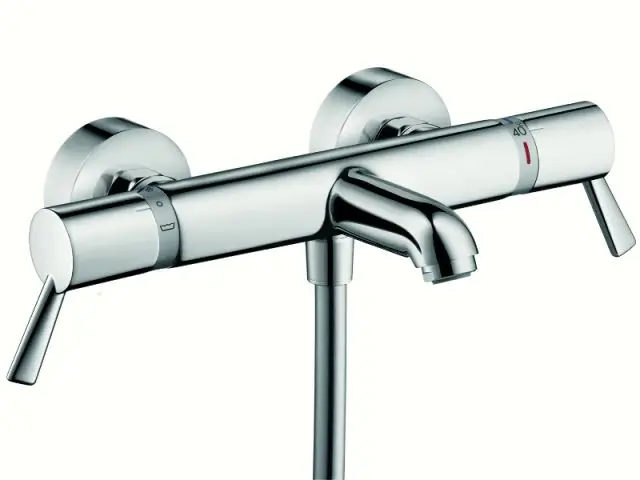
A compact under-sink unit with integrated seat. A bathtub with an access door. A bath board for sitting in the bathtub. A support bar to facilitate getting out of the bath. An ultra-flat shower tray level with the floor. A ready-to-install shower with seat and support bar. A tray with a lifting pump for installation anywhere. A thermostatic shower mixer. A non-slip bath mat. A foldable shower seat. A connected floor to alert in case of a fall.
For dependent elderly people to be able to continue living at home, it is often necessary to adapt the layout of rooms, particularly the bathroom. Here are some examples of concrete solutions.
“The aging of the French population is inevitable”
This is what INSEE states in a study on demographics in 2050. According to the institute, in 2060, 32.2% of the 73.6 million French people will be over 60, and 16.2% over 75, a proportion almost twice as high as today.
If life expectancy is increasing, living conditions are not always improving. In his report on society's adaptation to population aging, Luc Broussy mentions the explosion of "very old able-bodied" people, those aged 80 and over, in sufficiently good health to live at home. The general councilor of Val-d'Oise nevertheless points out that the number of seniors losing their autonomy is expected to increase by 400,000 by 2030 (INSEE figures).
Difficulties walking, sitting down and getting up, standing for long periods, grasping certain objects, memory loss or loss of the sense of time, declining eyesight and hearing… These are major obstacles to keeping some elderly people at home. Luc Broussy advocates adapting existing homes now, so that "today's fifty-year-old can live [in 2040] their old age in an adapted home".
At the end of 2013, the National Housing Agency (Anah) and the National Old-Age Insurance Fund (Cnav) estimated that only 6% of homes were adapted to population aging. The state heard the message and launched, in February 2014, a plan to adapt 80,000 homes. In addition to aids for staying at home, such as the APA (personalized autonomy allowance), tax credits and equipment grants from ANAH also exist.
Adapt homes for the elderly, yes, but without turning their dwellings into hospital-like rooms! "Do not stigmatize," repeats Corinne Wlosik, innovation project manager for the General Council of Bas-Rhin, a department that regularly supports projects to help senior autonomy.
“Professionals in housing and construction are already mobilizing and offering real innovations,” she explains to us.
Like Lapeyre, which launches an "Accessible Home Guide," listing all the equipment sold by the brand, as well as existing financial aid for home adaptation.
A higher risk of falls in the bathroom
The room that most inspires manufacturers? The bathroom! This is where most of the 450,000 home falls occur each year. 70% of fatal falls among seniors occur within their own homes, often poorly arranged. Among other risks related to wet rooms are burns from contact with hot water or pipes. But it is mainly access to the bathtub that proves complex for the elderly. On the following pages, discover equipment designed to promote bathroom accessibility for the elderly.
A sink in front of which one can sit
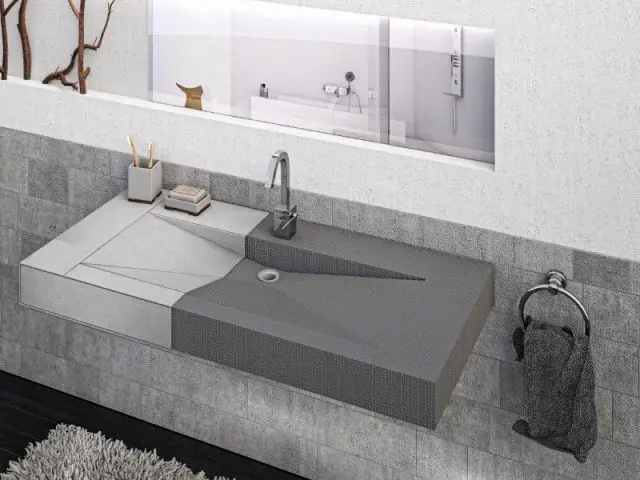
What equipment? A sink without a storage unit, and whose water drain does not go down too low. Why? Because it is very uncomfortable to have to bend over the sink for a long time to wash or brush teeth. One can thus sit facing the sink, with enough legroom. But also… for people in wheelchairs, pregnant women, or, more generally, people with back pain.