
Editor's Note
This editor’s note highlights the key facts and market implications behind “Matte Porcelain Tiles Return to ‘Their Original “, with emphasis on sourcing, product fit, fabrication, logistics, or buyer impact.
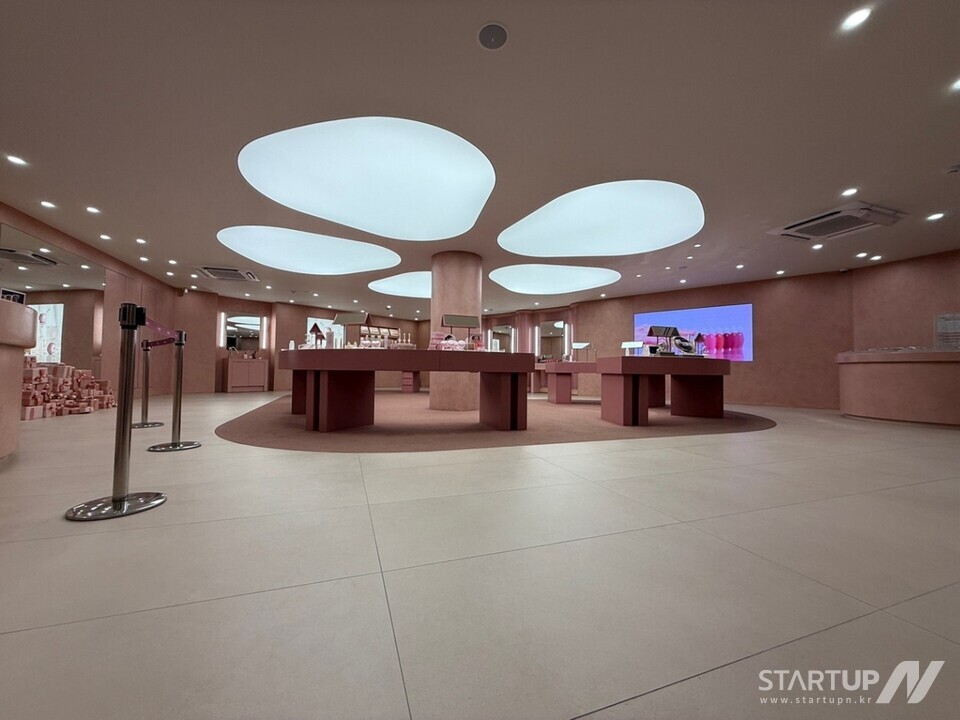
Matte porcelain tiles, established as a premium finishing material in Korea's commercial and residential interior market, are gaining popularity as a 'premium flooring material' in various spaces such as hospitals, airport VIP lounges, high-end stores, and large marts due to their elegant color and unique texture. However, their rough surface makes them prone to staining, leading to frequent issues with discoloration and spots over time.
The difficulty of maintenance is a frequent topic in online interior communities. Real consumer concerns continue, such as "The tiles have turned yellow" or "Self-coating made the stains worse." Particularly, operators of hospitals and large stores who must manage vast areas are seeking practical solutions, asking, "Is there a way to maintain the tile's original color and texture while making cleaning easier?"
Flooring management specialist company Cleaning Culture has introduced its 'Porcelain Tile Cleaning & Nano-Coating Upgrade Service' in response to these on-site voices.
Based on years of experience and technology accumulated from various sites like hospitals, airport lounges, and large stores, the service is characterized by restoring the tile's original color and texture through five precise processes and significantly reducing daily maintenance burdens by enhancing water-repellent performance.
The core of the service is 'precision cleaning and coating.' First, coarse dust is removed with a high-power industrial vacuum (Step 1). Then, custom-formulated detergent and polishing/buffing machines are used to decompose and clean stains within the pores based on on-site diagnosis (Step 2), followed by rinsing and neutralizing with clean water (Step 3).
Areas unreachable by machines, like walls and corners, are meticulously cleaned by hand (Step 4). Finally, the latest eco-friendly nano-coating agent is applied tile by tile (Step 5).
A notable point in this process is the coating method. Instead of the coating agent merely covering the surface, nano-particles bond with the tile's structure to form a water-repellent layer. This maintains the original matte texture and color while enhancing stain resistance. The company explains this can practically reduce maintenance burdens by about 50% by decreasing cleaning frequency and detergent usage.
Cleaning Culture's strength lies not just in simple application but in 'on-site customized diagnosis.' The causes vary by space and contaminant: bloodstains/disinfectant stains common on hospital floors, externally introduced dust/sand in commercial stores, and grease in restaurants/eateries.
Cleaning Culture analyzes contaminant types through pre-application site inspections and selects the appropriate dedicated detergent, chemicals, and equipment pads to achieve optimal results.
Furthermore, the company adheres to a focused application principle of "doing it right once" rather than "fast and many." They invest sufficient time in each step to enhance completeness, ensuring cleanliness is maintained for a long period.
“Cleaning is not simple labor; it’s a professional technical field that restores a space to its original state, gifting customers a new beginning,” said Lee Young-hwan, CEO of Cleaning Culture. “As with our customer slogan ‘We added sincerity to technology,’ we are building long-term trust by adding common sense and meticulousness to skilled technology.”
Cleaning Culture's application team consists of fixed members with over two years of experience, with team leaders holding professional certifications. They also keep their knowledge of flooring materials, detergents, etc., up-to-date through regular training.
Deploying skilled team members to application sites minimizes quality variance and increases application completeness and customer satisfaction.
“Cleaning Culture’s goal is not to be number one, but the only one,” CEO Lee said. “As an irreplaceable partner, we will play a role in quietly supporting from behind so our customers can focus on their core business.”
In practice, Cleaning Culture regularly receives application requests from various sites: large franchise stores where stains occurred due to incorrect coating, airport VIP lounges with thousands of daily users, large marts, high-end boutiques, and hospitals.
According to the company, re-contract rates are high because customers immediately feel the difference in application quality after just one experience.
“The core of tile management is ‘maintaining stain and water-repellent function without harming the original texture and color,'” a Cleaning Culture official said. “We approach applications with a sense of mission to set a new standard for matte porcelain tile management.”
Cleaning Culture's matte porcelain tile nano-coating upgrade service is establishing itself as a solution that goes beyond simple cleaning to recover and maintain 'the original cleanliness.' It is expected to be a good choice for those who want to catch both rabbits: spatial dignity and practical management.
Source: Read the original article | Published: July 14, 2025