
Editor's Note
This editor’s note highlights the key facts and market implications behind “Your Walls Stay Cold Despite 20°C on the Thermos”, with emphasis on sourcing, product fit, fabrication, logistics, or buyer impact.
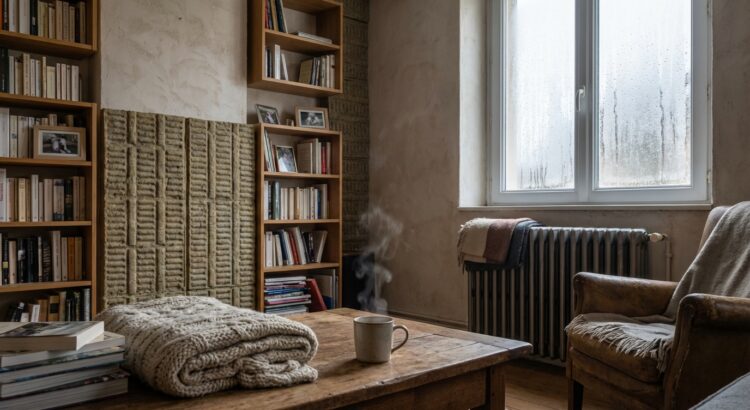
This winter, your cold interior walls might be turning your living room into a real cold room despite the heating. Where does this icy sensation come from, and what solutions allow you to regain a warmer home without launching major renovations?
With winter well settled in, sometimes just placing your hand on a living room wall is enough to feel a real sheet of ice. The room seems heated, the thermostat shows 19 or 20°C, yet the feeling of cold clings to the skin. Turning up the heat is not always the right answer, especially since each extra degree can increase the energy bill by about 7%.
This phenomenon of cold walls in the house affects many households: just over a third of French people say they were cold in their homes in 2023. Walls represent a significant part of the heat loss in a poorly insulated home, sometimes around a quarter. For seniors, this feeling of an icy wall is tiring, disrupts sleep, and gives the impression of living in a permanent draft.
Why Are Your Interior Walls Cold This Winter?
In many older buildings, cold interior walls signal insulation that is too thin or aging. When a real insulating layer is missing, the cold passes through the masonry and cools the surface on the room side. Thermal bridges located at corners, at the base of walls, or around windows further concentrate the cold and give a wall that feels icy to the touch.
Humidity complicates the picture. Warm, humid air that meets a very cold wall cools suddenly and condenses into small droplets, behind furniture or on the paint. Over time, this encourages mold, less healthy indoor air, and, for the elderly, more respiratory risks or falls if the floor becomes slippery near the walls.
Simple Solutions Against Cold Walls in the House
Good news: you can already significantly improve thermal comfort without launching a major project.
Decorative insulating panels to glue, insulating wallpapers, or a cork covering add a thin layer that cuts the sensation of a cold wall while remaining decorative. A large bookshelf or a wardrobe placed against an exposed wall also creates an additional barrier.
Install thick thermal curtains that fall to the floor in front of the most exposed windows and walls.
Slide reflector panels behind radiators fixed to an exterior wall to limit heat loss.
For these actions to be effective, you must also manage humidity. Opening windows wide for 5 to 10 minutes each day in winter renews the air without really cooling the walls. Keeping a relatively stable temperature in the home, rather than alternating freezing periods and full heating, helps the walls stay more temperate and the body to tire less, especially for seniors.
Interior Insulation, Exterior Insulation: When to Move to Renovations
If despite everything your walls remain icy, the paint darkens, and the bill climbs winter after winter, it becomes useful to think about real interior or exterior insulation. The most common solution involves adding insulating lining: glued panels or a metal frame filled with glass wool, rock wool, polystyrene, or bio-based insulation. It is then covered with plasterboard; the living space decreases a little, but you already achieve interesting thermal resistance against the cold.
Exterior insulation wraps the house in a continuous layer of insulation, under render or cladding, which strongly limits thermal bridges. The gains in thermal comfort are often clear: walls that no longer give that impression of an icy wall, more homogeneous rooms, reduced heating needs. These works remain costly and must be entrusted to professionals, but they can be supported by aids like MaPrimeRénov' or energy saving certificates, which many owners request when planning a project in the spring.
Source: Read the original article | Published: December 18, 2025