
Editor's Note
This editor’s note highlights the key facts and market implications behind “Unrestrained Vertical Expansion of an Old Brick “, with emphasis on sourcing, product fit, fabrication, logistics, or buyer impact.
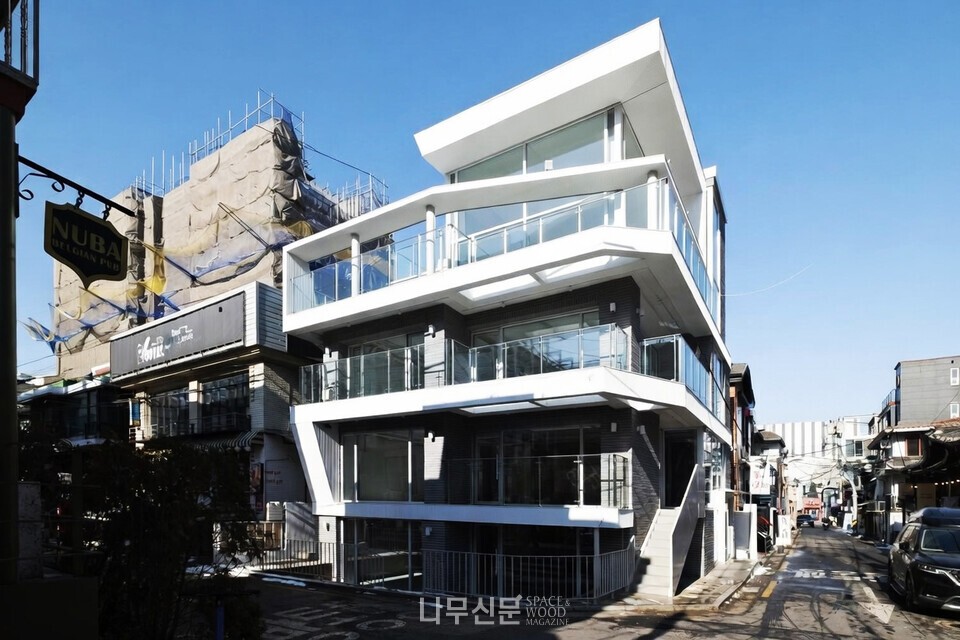
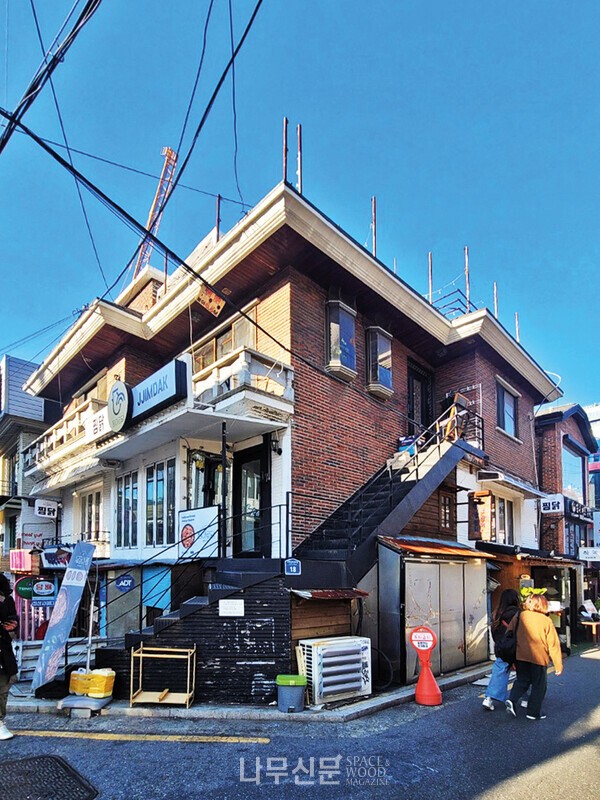
Overcoming the limitations of an old structure is an essential challenge in profit-oriented remodeling of old buildings. 'Pere', a brick masonry neighborhood facility with one basement and two above-ground floors located in Seogyo-dong, Mapo-gu, has completed the addition of a third floor through comprehensive structural reinforcement and floor plan reorganization.
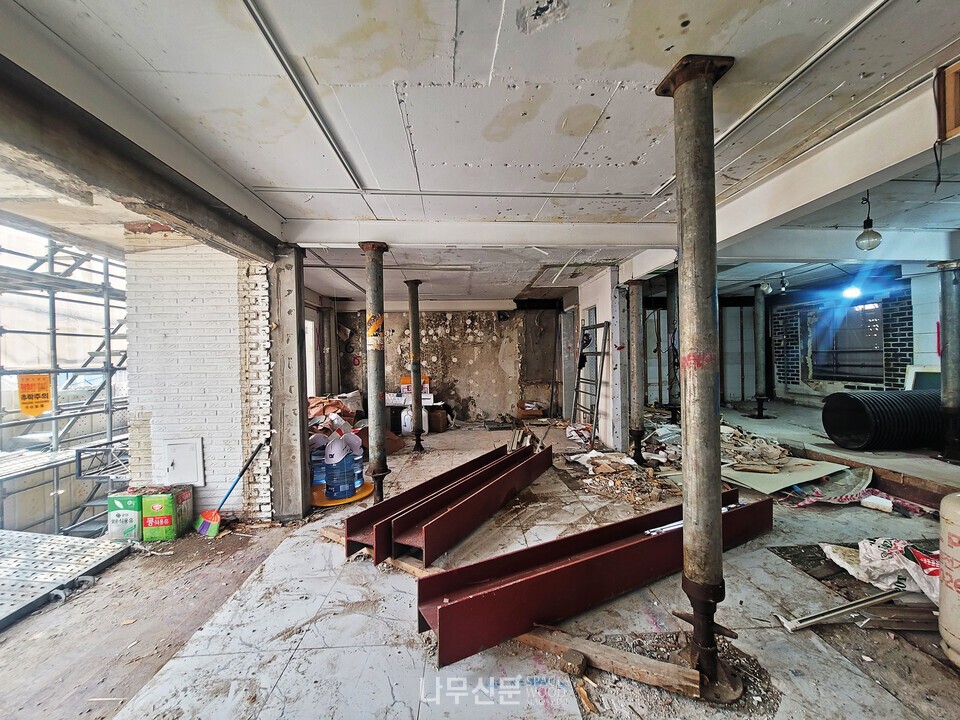
Structural Reinforcement Overcoming the Limits of Brick Masonry
The building owner purchased the property while searching for a remodeling project site based on profitability. To add a third floor without securing additional legal parking spaces, structural reinforcement of the entire building was necessary. This need was even greater because the existing structure was vulnerable brick masonry.
While there were concerns about investing significant cost and effort to add just one floor's worth of area, the conclusion during the design phase was that it was "sufficiently possible." The building owner also placed great significance on the project, believing that through improvements in internal functionality and changes to the exterior, the building could be reborn with a completely different appearance and higher value.
Reorganization of Vertical Circulation and Generous Natural Lighting
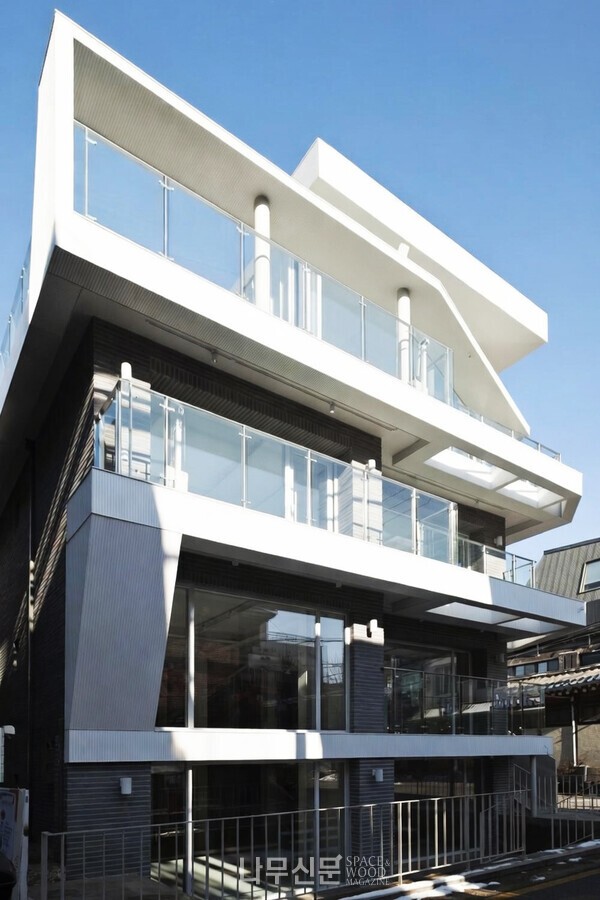
The floor plan was reconfigured to solve the weakness of the existing building's vertical circulation. One room area located at the rear was dismantled to create a new common staircase hall. Furthermore, a dedicated external staircase for the first floor was separately installed to facilitate entry to the first floor, which was about half a level above ground level. For the basement, which was not very deep below ground level, measures were taken to open the exterior wall windows as much as possible to be generous with natural lighting.
A Refreshing View Unfolding from the Sunlight Right Restriction Line
The newly added third floor was planned with the maximum ceiling height permitted by the sunlight right restriction line, securing a sense of openness and a refreshing view from the top floor. The external terrace and rooftop space connected to the third floor offer a level of utility incomparable to the previous old building. The exterior of the original building, which had an unorganized massing by floor, was given order through material contrast. White metal band lines were applied along the flow on top of the base gray brick exterior wall. This imparted a clear sense of stability contrasting with the base material while simultaneously establishing its own order created by a dynamic sense of change.
“The building has endured the difficult construction process involving partial demolition and reinforcement of the existing structure and been reborn into the world with a fresh appearance. I hope it remains as a building that provides visual and spatial pleasure to many people and ultimately returns stable profits to the building owner for a long time,” said architect Moonseok Oh.
Project Overview
Site Location: Seogyo-dong, Mapo-gu, Seoul Site Area: 161.70 m² Building Area: 85.25 m² Total Floor Area: 302.59 m² Building Coverage Ratio: 52.72% Floor Area Ratio: 138.31% Use: Category 2 Neighborhood Living Facility Scale: 1 Basement / 3 Above-ground floors Structure: Steel frame reinforced (original brick masonry) Design: OpAD Architects & Research Institute Design Team: Lee Kyung-hoon Construction: Hanbyeol DBAH Co., Ltd. Photography: OpAD Architects & Research Institute
Material Overview
Exterior Finishes: Concrete Brick Tile (Dada Brick), Mega Panel Windows: Aluminum Insulated Bar Windows Interior Finishes: Paint – Eco-friendly Paint (Jebipyo) Tile – Mosaic Tile (Yunhyeon Sangjae) Floor – Cement Mortar Sanitary Ware: IS Dongseo
Source: Read the original article | Published: April 09, 2026