This editor’s note highlights the key facts and market implications behind “Germán Llana, Ecovidrio Manager in Northern Spai”, with emphasis on sourcing, product fit, fabrication, logistics, or buyer impact.
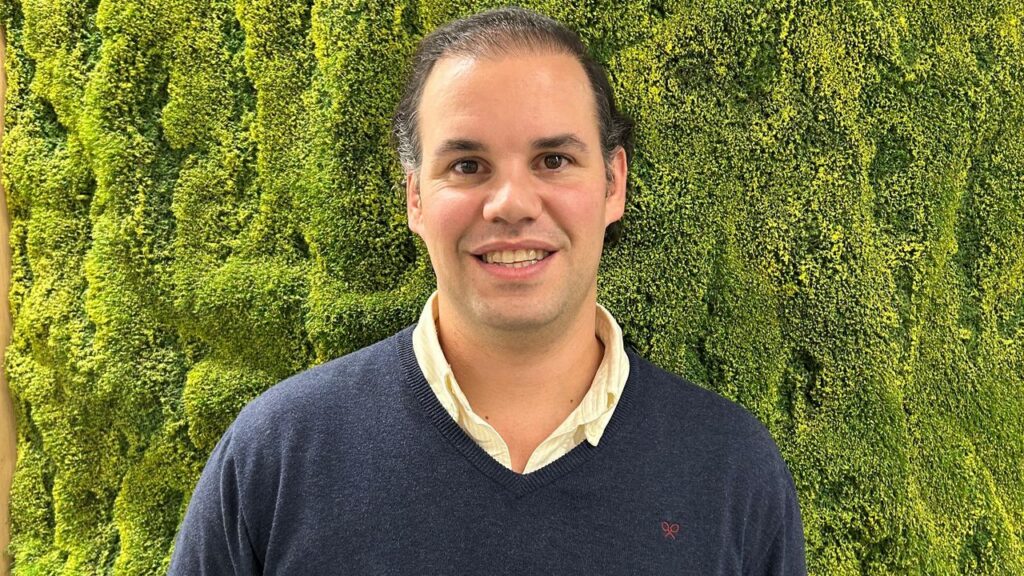
Galicia has improved its glass recycling rate by 12% over the last ten years, although there is still room for improvement. Since 1997, Ecovidrio has been collecting glass packaging waste across Spain. They have made their green igloo-shaped containers one of the most recognizable recycling symbols for citizens and closed 2025 with a glass recycling rate of 72.5%, exceeding the target set by the European Union. Germán Llana is the manager of this entity in the north of the country.
Interview with Germán Llana
—You have already reviewed the 2025 results. What were the figures like in Galicia?
Well, look, it’s true that regarding the 2025 glass collection results, we fell by around 4.6% compared to the previous year, but in Galicia over the last 10 years we grew by 12%. So we have detected and remain aware that there is much room for improvement. That shared responsibility among all agents in the chain is very important: citizens, the Horeca channel, public administrations, and Ecovidrio, to be able to carry out the different plans.
—That Horeca channel you mention is an agreement with the hospitality sector, which generates 50% of single-use glass packaging waste. How have you managed to involve this sector?
In the end, the dynamic is somewhat the same nationwide. In the case of Galicia, what we do are awareness campaigns with the hospitality sector, where what we seek is to understand a bit about the recycling habits of hospitality owners and, above all, to make it easy for them. It’s about them having the appropriate means to recycle the waste correctly. For this, we provide them with adapted bins free of charge and also seek to identify new containerization points to place a container, so that they have it increasingly closer to their establishment.
—Does the geographical dispersion of Galicia complicate that study to get the container locations right? What do you base it on?
It’s true that in Galicia we have good containerization ratios, with one container per 146 inhabitants, but there is indeed much room for improvement. We have to search for and identify new points, bring the containers closer to people living in rural areas. Then, through databases, as we have a history of more than 20 years, using artificial intelligence we do mappings and look for points where we know containers can perform well.
—Do you receive a lot of improper waste in the green igloo?
The truth is it receives 90% of glass packaging waste. It’s a very effective and efficient system that we continue to bet on, one where people increasingly understand they have to take glass there. Then it’s always true that it’s said there is about 2% of improper items; people often associate glass a bit with the green container and tend to throw in ceramics or glass cups, which do not go in the green container.
—Glass is a material that is 100% recyclable. How do you achieve this?
The process is as follows: the citizen deposits the glass container in the green container. The collector comes to collect the container, takes it to a storage area or silo where the glass is deposited, and then a transporter is responsible for collecting all the glass and taking it to the glassworks, to the plant, where a new container is generated to go back out to the market. In the end, it’s all, constantly, a circular economy.
—The goal of the 2030 agenda is to reach an 80% recycling rate. Are we far from it?
We are far, but as I said before, we have already reached the 70% target set by the European Union two years early. I repeat the same thing: we have to keep insisting on that shared responsibility and keep looking for areas of improvement, going a bit beyond container collection.