
Editor's Note
This editor’s note highlights the key facts and market implications behind “Petrobras fuel pricing back in focus as oil tops”, with emphasis on sourcing, product fit, fabrication, logistics, or buyer impact.
Brent's rally widens oil giant discount to import parity, raising concerns over diesel supply. Rising oil prices and geopolitical tensions are widening the gap between domestic fuel prices and import costs in Brazil. Another day of rising oil prices has put Petrobras's fuel pricing back under renewed scrutiny, as the gap between the state-owned oil company's refinery prices and import parity levels widens again. Crude climbed back above $100 a barrel amid uncertainty over a ceasefire between the U.S. and Iran and attacks on vessels in the Strait of Hormuz. According to calculations by consultancy StoneX, Petrobras gasoline prices at its refineries are 61.3% below import parity, or R$1.55 per liter cheaper. Diesel prices are 50.6% lower, a discount of R$1.81. The Brazilian Association of Fuel Importers, known as Abicom, estimates Petrobras gasoline is R$1.50 per liter below imported product, or 60%, while diesel is R$1.78 cheaper, or 49% below import parity. Bruno Cordeiro, a market intelligence specialist at StoneX, said diesel remains the main concern for Brazil's fuel supply, since the country still needs to import 25% to 30% of the product to meet domestic demand.
Beyond the inflationary impact, the situation also affects the diesel balance in the Brazilian market. In March, imports fell 25% from the previous month. For April, based on the data we have, there has been a sharp drop in diesel sales from the United States to Brazil, as U.S. producers redirect more of their export volumes to Asia,
Cordeiro told Valor. He noted that higher domestic production has helped soften the impact.
What has reduced the effects of lower ‘diesel A’ imports last month, and should also help this month, is a significant increase in domestic diesel output from Brazilian refineries,
he said.
Supply concerns
In addition to higher refinery production, especially by Petrobras, Cordeiro said private importers will need to adapt by seeking supplies from new sources.
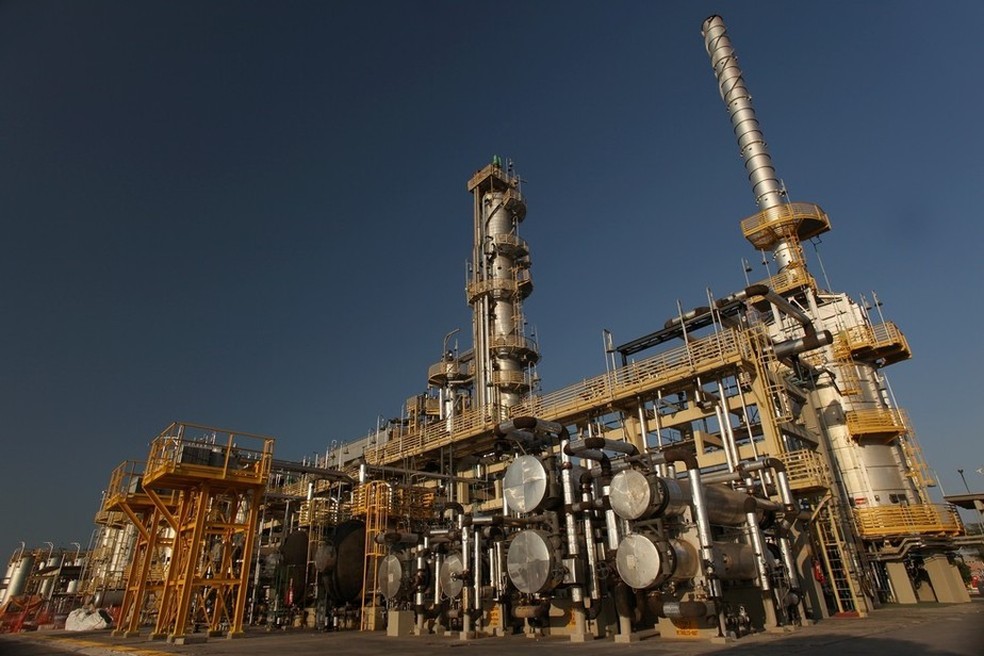
/i.s3.glbimg.com/v1/AUTH_37554604729d4b2f9f3eb9ad8a691345/internal_photos/bs/2022/I/R/PXI69iQDegBrgzZ7iWBg/refinaria.jpg)
Petrobras said in early April that it would not import diesel in May. The company said the postponement of scheduled maintenance at the Presidente Getúlio Vargas refinery, or Repar, in Paraná state, allowed it to meet April and May contracts without imports. Asked for comment, Petrobras said it continues to monitor market conditions and will assess any need for imports in June in due course. It added that its refineries have been operating at around 100% utilization since March 13. On Wednesday (22), oil rose 3.48% to $101.91 a barrel.
Gulf tensions
On Tuesday, U.S. President Donald Trump announced an open-ended extension of the ceasefire with Iran, even after plans for a new round of talks between the two countries fell through. Reuters, citing a government source, reported that Trump would be willing to grant another three to five days of truce. But uncertainty over blockages in the Strait of Hormuz has kept markets on edge. Iran's Tasnim news agency reported that the Revolutionary Guard seized two vessels for maritime violations and escorted them into Iranian waters. Reuters said it was the first time Iran had seized ships since the war began. A third vessel, flying the Liberian flag, came under fire but was not damaged and resumed its voyage, according to security sources. Iranian President Masoud Pezeshkian said dialogue and an agreement were welcome, but that threats and a naval blockade remained the main obstacles to negotiations.
Bad faith, siege, and threats are the main obstacles to genuine negotiation. The world is witnessing your hypocritical, empty talk and the contradiction between your claims and your actions,
Pezeshkian wrote on X. For StoneX, the market is now pricing in restrictions on flows through the Persian Gulf lasting more than 50 days, with tighter oil balances in Asia and Europe helping keep prices high.
With traffic through the Strait virtually halted, any new attack reinforces the supply risk premium in prices and discourages ships from returning to the route. If the paralysis continues, a temporary supply shock turns into a growing structural deficit. The market has already accumulated an estimated loss of about 1 billion barrels of oil that have stopped moving through the route,
Cordeiro said.
Source: Read the original article | Published: April 23, 2026