
Editor's Note
This editor’s note highlights the key facts and market implications behind “A Touch of Sardinia in Venice: The Soul of Clay “, with emphasis on sourcing, product fit, fabrication, logistics, or buyer impact.
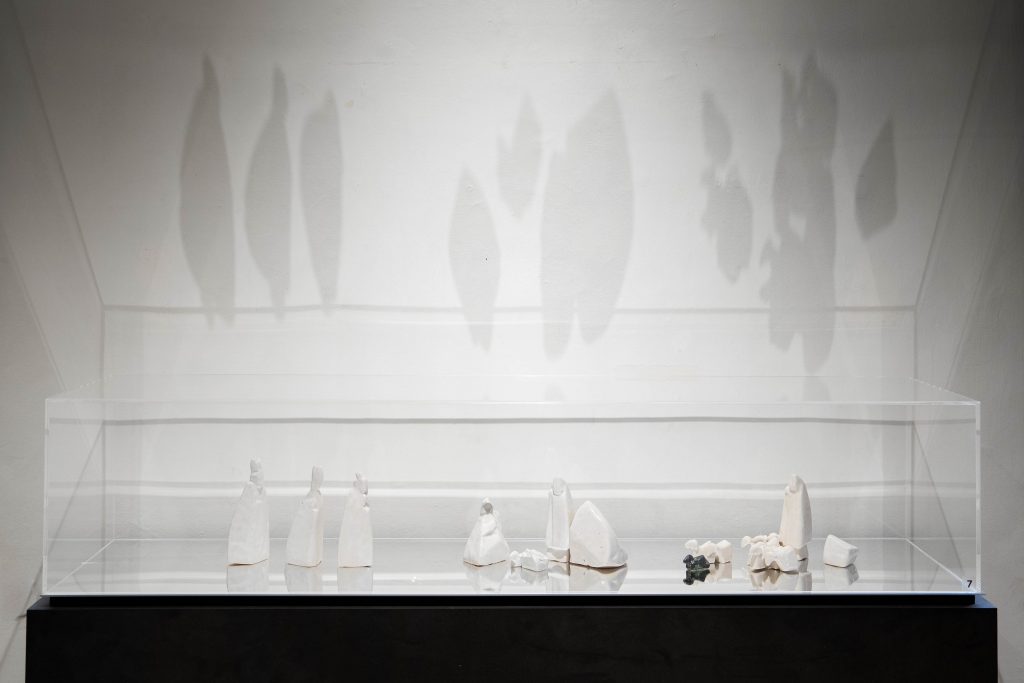
Until April 25, 2026, the exhibition "Forms of Clay" at Palazzetto Tito reconstructs a century of ceramic production in Sardinia.
Ceramics have always been, and continue to be, a primary language in Sardinian culture. The exhibition Forms of Clay: A Century of Sardinian Ceramics (1900–2000) , set up at Palazzetto Tito in Venice, offers a rigorous synthesis of this production central to the island's culture, presenting to the public eighty works from the collection of the Ceramics Museum in Nuoro. The project, promoted by the Regional Ethnographic Institute of Sardinia (ISRE) in collaboration with the Bevilacqua La Masa Foundation, is configured as an operation of historical analysis on a heritage that, for a long time, has been confined to a purely local dimension.
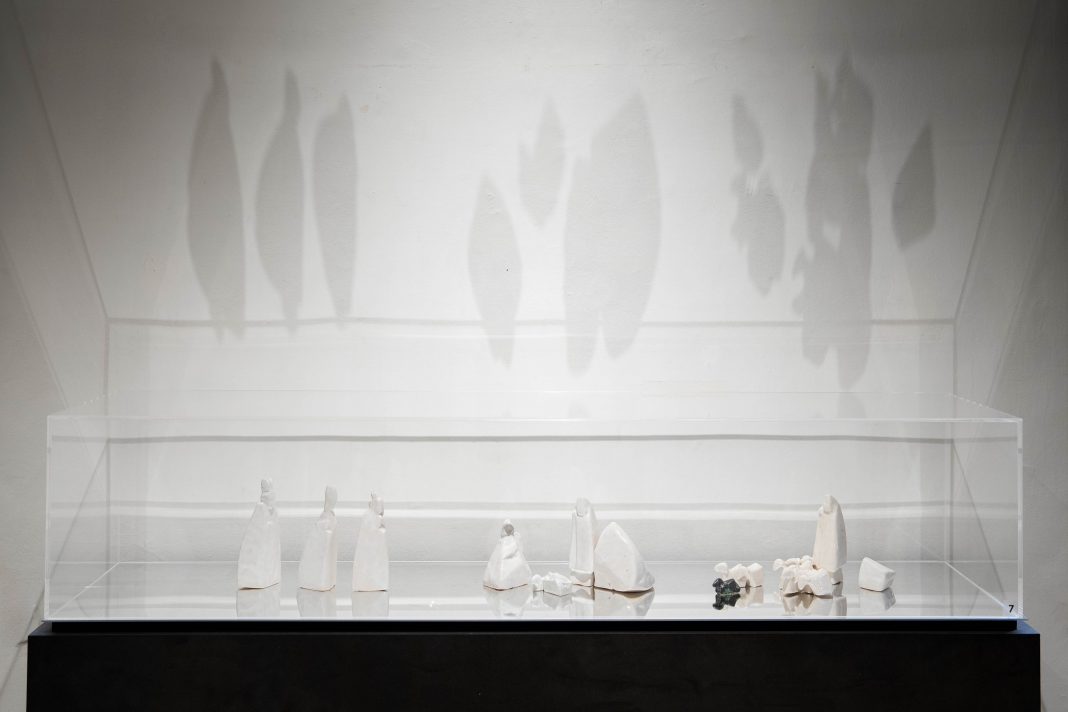
The exhibition is part of an internationalization program strongly desired by ISRE, aimed at integrating the island's material heritage into contemporary artistic circuits. In this sense, the choice of Venice is not accidental: Palazzetto Tito, home to one of the oldest Italian institutions for the promotion of emerging art, serves as an ideal setting to spark a comparison between the persistence of Sardinian tradition and the experimental vocation of the Venetian context. The exhibition retraces a full hundred years of activity, documenting how the island's ceramic production evolved from a purely functional dimension, tied to daily and agricultural life, towards an aesthetic awareness that opened up, in the post-war period, to the new languages of design and applied arts. The merit of the installation, curated by architect Giovanni Filindeu, is that of having removed the works from classical musealization, favoring a reading that highlights the morphological and symbolic characteristics of each artifact. The arrangement of the objects allows one to understand the variety of local technical schools, the differences in clay bodies, and the constant formal research that characterized Sardinian artisan-artists throughout the twentieth century.
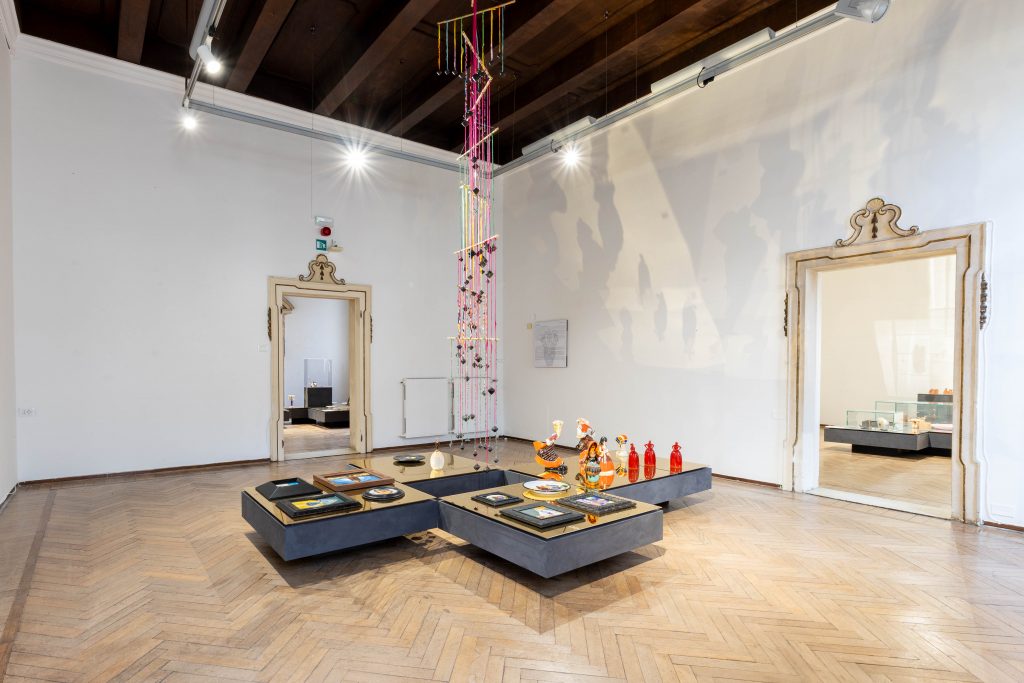
The chronological narrative begins with artifacts related to daily life, then unfolds through the decisive renewal initiated in the 1920s by figures such as Francesco Ciusa, a pioneer in bringing ceramics from the functional to the artistic realm. From this premise, a genealogy of masters develops: from Ciriaco Piras and the school of Dorgali to the fundamental contribution of the brothers Federico and Melkiorre Melis, who knew how to combine technical quality and stylistic research. A central chapter of the analysis concerns the consolidation of the relationship between ceramics and sculpture in the post-war period. Artists such as Maria Lai, Costantino Nivola, and Pinuccio Sciola interpreted the material with distant but complementary approaches: Nivola through the engraving of primordial signs, Sciola by removing material to approach stone sculpture. Alongside them, figures like Paola Dessy, Giuseppe Silecchia, and Gavino Tilocca were able to orient production towards formal abstractions, opening a fruitful dialogue between island craftsmanship and the demands of modern design. The path does not ignore the ambivalences of history either, documenting the spread, between the 1930s and 1940s, of a stereotypical image of Sardinia destined for the national market, through the works of Edina Altara and Alessandro Molari.
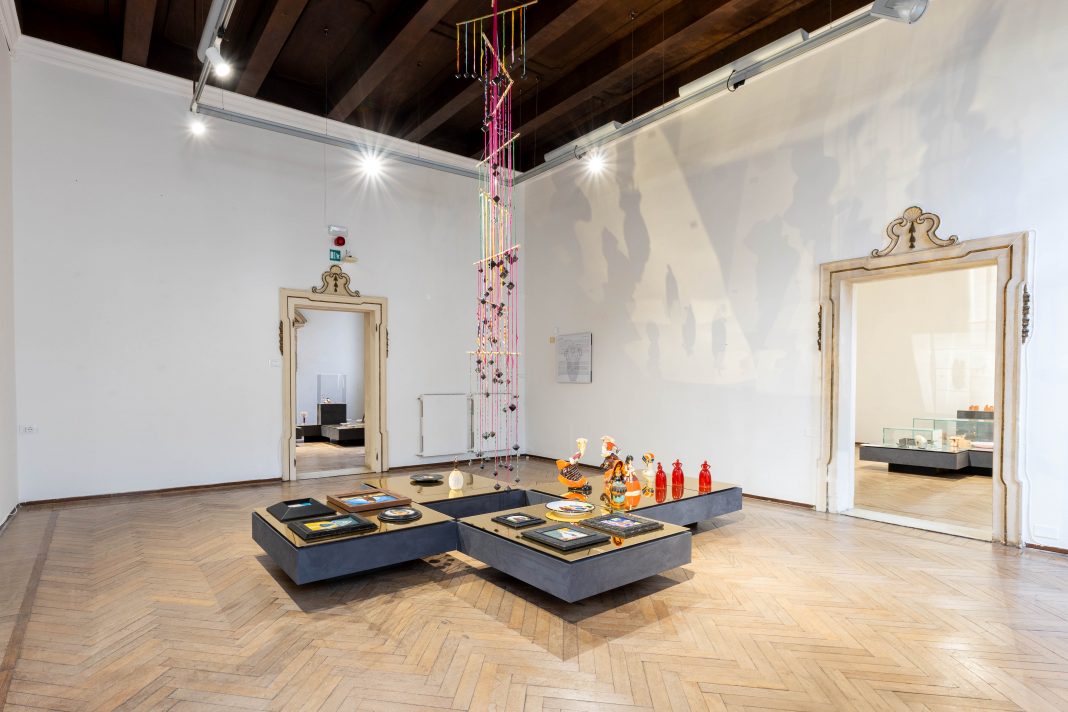
The merit of Forms of Clay , however, is also that of not limiting itself to a retrospective of the past. The last section, dedicated to contemporary artistic ceramics, with works by Michele Ciacciofera, Antonello Cuccu, Caterina Lai, and others, demonstrates how the vitality of this tradition has not been exhausted. The capacity for renewal, visible also in the video by the duo NARENTE presented in the exhibition, testifies that Sardinian ceramics is a language in continuous evolution, capable of absorbing the changes of the present.
Source: Read the original article | Published: April 23, 2026