
Editor's Note
This editor’s note highlights the key facts and market implications behind “How China White Conquers the World: Dehua Cerami”, with emphasis on sourcing, product fit, fabrication, logistics, or buyer impact.
Dehua ceramics, originating from Fujian Province, China, have long been celebrated as "Blanc de Chine" or "China White," a term coined by French literature 370 years ago. Today, this ancient craft supports a 76 billion yuan industrial cluster, supplying 30% of global ceramic crafts and 60% of China's ceramic export crafts to over 190 countries and regions. However, beneath the surface of artistic acclaim and industrial growth, Dehua faces significant structural challenges as it aims for a 100 billion yuan target by 2027.
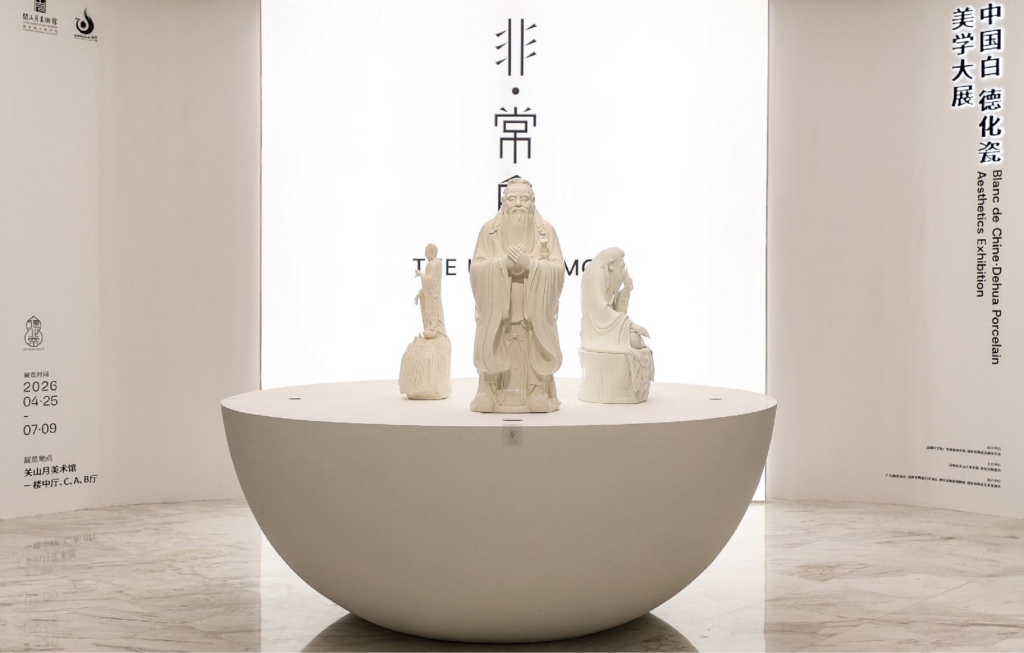
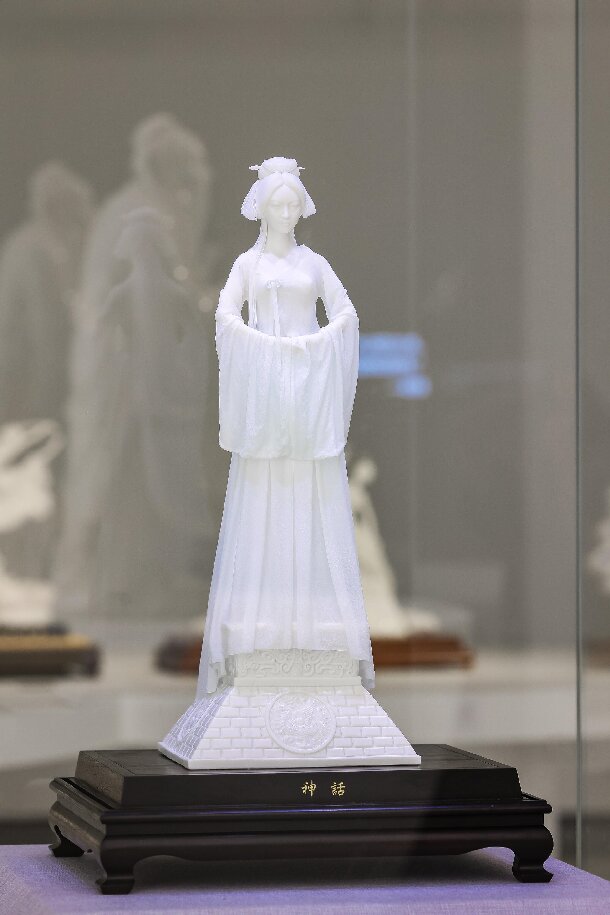
At the Shenzhen Guan Shanyue Art Museum, the "Extraordinary White: China White·Dehua Ceramics Aesthetics Exhibition" showcases over 220 pieces spanning the Song, Yuan, Ming, and Qing dynasties, including a contemporary 0.2 mm ultra-thin ceramic garment titled "Myth." Yet, the art market's downturn—with 2024 national auction sales dropping 35.38% to 18.354 billion yuan—highlights a disconnect between cultural prestige and commercial reality.
Following the Mandate: Integrating Fujian Blessing Culture and Sailing the World via Hong Kong
Industry insiders consistently cite President Xi Jinping's guidance during his work in Fujian: Dehua's exquisite ceramics must be created, displayed, and disseminated, daring to dream and conquer the world. The consensus is that Dehua should leverage Hong Kong as a national-level international platform to transition from product export to brand, culture, and standard export. Hong Kong's role as a super-connector, international financial hub, and cultural trade center offers Dehua access to global markets, art exchanges, and media exposure.
“Dehua’s ceramics embody the city spirit of ‘Virtue in Action, Nurturing All Things,’ integrating Fujian’s blessing culture into every piece. Through Hong Kong, we can tell the story of Chinese ceramics and Fujian’s blessing culture to the world, promoting values of compassion and shared prosperity.”
Industrial Transformation: Three Drivers of Counter-Trend Growth
Dehua's ceramic industry, with roots in the Neolithic era, has evolved into the world's most complete modern ceramic cluster, boasting the only national-level industrial design institute and intellectual property center in China's ceramic sector. Three key drivers fuel its recent growth: First Driver: From OEM to Original Design. Historically, foreign clients provided designs, and Dehua manufactured. Now, leading firms like Jamei Group have compressed design cycles from 45 to 15 days, with smart production systems adapting to global fragmented, small-batch, fast-delivery demands. At the Canton Fair, original design content in Dehua's exhibits exceeded 60% for the first time.
Second Driver: From Product Export to Cultural and Brand Export. Dehua has established 75 global brand promotion centers and 8 overseas warehouses, with international tours covering 28 countries. "Blanc de Chine" is now a registered EU and Madrid trademark, and Dehua ceramics have been used by Michelin-starred restaurants, the Beijing Winter Olympics, the Qatar World Cup, the Paris Olympics, and UN events. Hong Kong serves as a critical springboard for brand upgrading.
Third Driver: From Manufacturing to "Ceramics+" Cross-Integration. Ceramics plus tourism has revitalized industrial heritage, with the Hongqifang cultural tourism park attracting 14.2 million visitors in 2025. Ceramics plus creative design targets the national trend market, while ceramics plus high-end services supplies luxury hotels and private banquets, achieving 3-10 times price premiums over ordinary tableware.
Confronting Chronic Issues: Five Structural Challenges Beneath the 76 Billion Yuan Base
Despite impressive figures, the industry suffers from structural weaknesses. Over 80% of exports remain OEM, with less than 20% under independent brands. Small and medium enterprises report 10-20% order declines, as global exhibitions boost awareness but fail to convert into sales. Five major challenges persist:
1. Deep-rooted OEM Dependency. High-end R&D, cultural IP conversion, and global marketing remain weak. The industry's scale relies on capacity and labor, not technology or brand. 2. Homogenization and Price Wars. Low-barrier products like tea sets and figurines flood the market, with weak IP protection leading to rampant copying. 3. Talent Gap. The aging master craftsman population and high turnover among young graduates create a shortage of designers, international marketers, and curators. 4. Escalating Trade Barriers. EU anti-dumping duties of 79% threaten exports, while US tariff volatility and stricter technical standards raise compliance costs. 5. Underdeveloped Domestic Market. Over 60% of products rely on exports, with weak domestic branding and distribution. The high-end art market downturn has slashed sales of masterpieces over 100,000 yuan by over 20%.
Multi-Dimensional Breakthrough: Anchoring the Mandate, Sailing via Hong Kong
In response, Dehua is pursuing a multi-pronged strategy: Short-term: Diversifying markets through RCEP countries, the Middle East, Latin America, and Africa, leveraging overseas warehouses to bypass tariffs. Hong Kong's trade platforms and exhibitions are key to reaching high-end circles in Southeast Asia, Europe, and the Middle East.
Medium-term: Upgrading through technological innovation, collaborating with Tsinghua University and Xiamen University on ultra-thin firing, rare-earth glazes, and smart manufacturing. The county promotes digital transformation, with 225 high-tech enterprises and annual R&D spending exceeding 500 million yuan. Long-term: Building a pyramid brand system: top-tier masterpieces for Hong Kong auctions and international collections; mid-tier designer luxury ceramics for global middle-class consumers; and base-tier cultural creative and affordable daily-use items for mass markets. Global exhibition centers will be upgraded to integrate cultural experience, aesthetic launches, and trade matching, with Hong Kong as the core hub. Talent development is accelerating with a 106 million yuan master studio and 38 special policies to attract international curators and marketing experts.
The 100 Billion Threshold: From Production Base to Global Brand of Eastern Aesthetics
Dehua's ultimate breakthrough lies in leveraging Hong Kong to achieve integrated upgrades in product, standard, culture, and model export. By internationalizing Dehua's craft standards and establishing a global certification system, the industry aims to gain international voice and cultural pricing power. As the 0.2 mm ultra-thin ceramic garment at the Guan Shanyue Museum symbolizes, Dehua must balance artistic excellence with commercial viability, tradition with innovation, and export with domestic market development.
“The 3,700-year-old ‘China White’ is bravely carrying its industrial dreams to the world, guided by the spirit of ‘Virtue in Action, Nurturing All Things’ and the blessing culture of Fujian.”
Source: Read the original article | Published: June 05, 2026