
Editor's Note
This editor’s note highlights the key facts and market implications behind “Renovation Trends 2026: Opportunities for Profes”, with emphasis on sourcing, product fit, fabrication, logistics, or buyer impact.
Discover the renovation trends of 2026 that combine sustainability, comfort, and smart technology for future-proof homes. Professionals have ample opportunities to make a difference with innovative materials and techniques!
Stay or move? More and more Dutch people are choosing to thoroughly renovate their homes instead of moving. This development is not only a response to the tight housing market but also an opportunity for professionals in the finishing and maintenance sector to apply innovative techniques and contribute to future-proof homes. The renovation trends of 2026 revolve around sustainability, living comfort, and smart technologies that make life more pleasant.
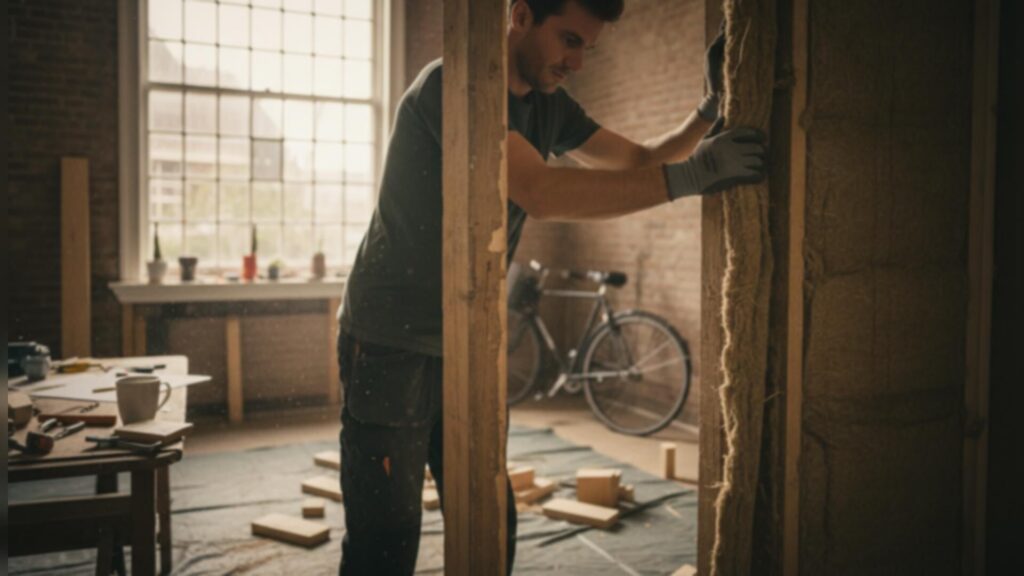
Homeowners are increasingly investing in thoughtful renovations that combine warmth, quiet, and energy independence. This requires craftsmanship from plasterers, tilers, painters, and floor layers who work with new materials and methods. For example, bio-based insulation, such as hemp, flax, and wood fiber, is gaining ground as a sustainable alternative to chemical insulation materials. This natural insulation creates a breathable house and helps prevent moisture problems and mold formation, which is essential in the humid Dutch climate.
A notable trend is the pursuit of energy-independent living. With the phasing out of the net metering scheme, feeding electricity back to the grid is being limited, leading to growing use of home batteries that store solar energy for use in the evening and on dark days. Additionally, the hybrid heat pump is gaining ground as a practical solution for older homes that are difficult to fully disconnect from gas. This works together with the existing central heating boiler and ensures a stable and comfortable indoor climate.
The interior also follows the trend of warm minimalism. Warm colors such as olive green, terracotta, and walnut wood create a cozy atmosphere, while textured materials like lime paint and clay plaster add depth to walls. The kitchen becomes the heart of the home, with equipment neatly hidden behind wooden sliding panels. This requires precision and craftsmanship from painters and tilers to ensure a seamless finish.
The increase in working from home makes acoustics more important than ever. Instead of separate sound-absorbing panels, acoustics are integrated into the construction with materials such as acoustic plasterwork, cork under the floor, and linen curtains that dampen sound. This requires good collaboration between different professional disciplines.
Smart technologies are invisible and work in the background. Lighting automatically adapts to the daily rhythm, and heating switches per room on or off based on presence, which increases living comfort. This digital transformation in the construction sector also stimulates the use of advanced construction management systems, making renovation projects more efficient and sustainable.
For professionals, it is also important to be aware of the changed regulations regarding permits since the Environmental Act. Homeowners are responsible for applying for permits for structural adjustments, which requires good preparation and planning.
Renovating in 2026 means investing in a future-proof home that is comfortable, quiet, and energy-efficient. For professionals, this offers ample opportunities to share knowledge, collaborate, and integrate innovative solutions. Let's embrace these trends and build together homes that are ready for the next twenty years.
Source: Read the original article | Published: April 09, 2026