
Editor's Note
This editor’s note highlights the key facts and market implications behind “Multi-Million Dollar U.S. Investment to Reactiva”, with emphasis on sourcing, product fit, fabrication, logistics, or buyer impact.
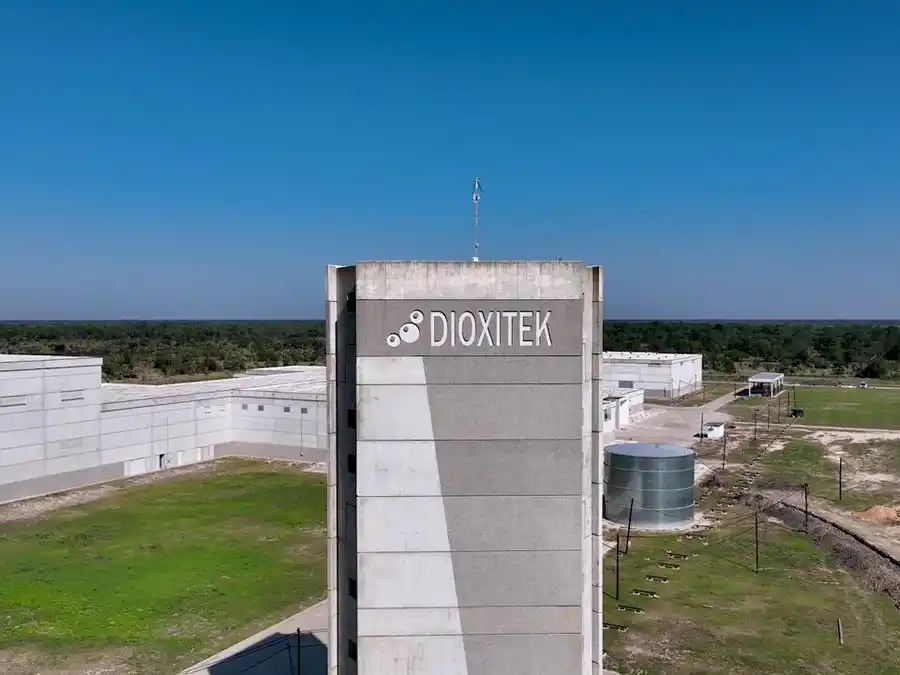
A U.S. company has presented a plan to invest more than 200 million dollars with the goal of completing and putting into operation a nuclear plant owned by the state firm Dioxitek in the province of Formosa.
The initiative was submitted to the national government and involves resuming a project that has been unfinished for years. The financing would allow for the completion of the plant's construction, the start of its operation, and the reactivation of a key project for the development of Argentina's nuclear sector.
The plan also foresees a partnership between the foreign company and the state-owned firm, although the latter would retain ownership of the facilities. Under this scheme, a joint venture would be formed to operate the plant and produce strategic supplies for the atomic industry.
In a first stage, the plant would focus on the manufacture of uranium dioxide, an essential component for the operation of the country's nuclear power plants. Later, the project would add an additional facility to transform that material into uranium hexafluoride, a product in demand on the international market.
In addition to supplying domestic consumption, the initiative seeks to open the door to the export of this type of supplies, which could position Argentina within the global nuclear fuel market.
The proposal could fit within the Large Investment Incentive Regime (RIGI) and is considered strategic by the Government, as it would involve the entry of private capital into a sector historically dominated by the State.
If realized, the project would not only allow the reactivation of a work delayed for years but also strengthen the technological and productive development of the Argentine nuclear sector.
Source: Read the original article | Published: April 09, 2026