

Editor's Note
This editor’s note highlights the key facts and market implications behind “Is It Time to Import from Turkey or Oman to Comp”, with emphasis on sourcing, product fit, fabrication, logistics, or buyer impact.
Bahrain’s Construction Sector: Growth Amidst Material Challenges
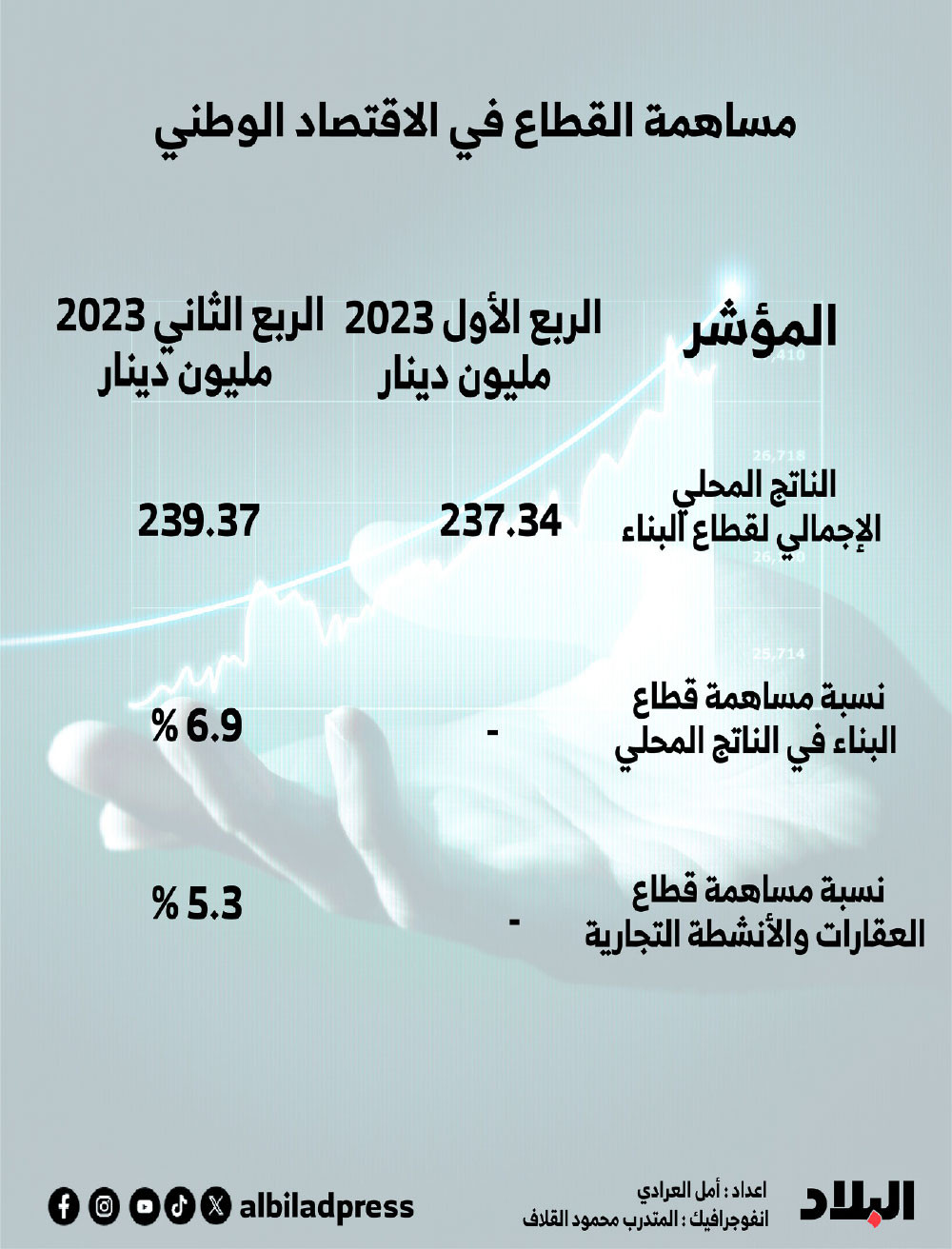
This investigation highlights the challenges through testimonies from several building material suppliers in the Bahraini market, who precisely discuss current obstacles and provide in-depth insights into practical solutions they deem suitable to ensure the sector's sustainability and enhance its contribution to the national economy. The construction sector in Bahrain is witnessing notable growth reflecting a rapid economic recovery, especially with growth accelerating to reach 3.5% in 2025, according to forecasts by Fitch Solutions. This growth is supported particularly by a 3.5% real-value increase in the economic output of the construction industry in 2025, as per a recent report by Global Data, reinforced by intensive investments in industrial, commercial, and energy construction projects, alongside a significant increase in the value of awarded tenders.
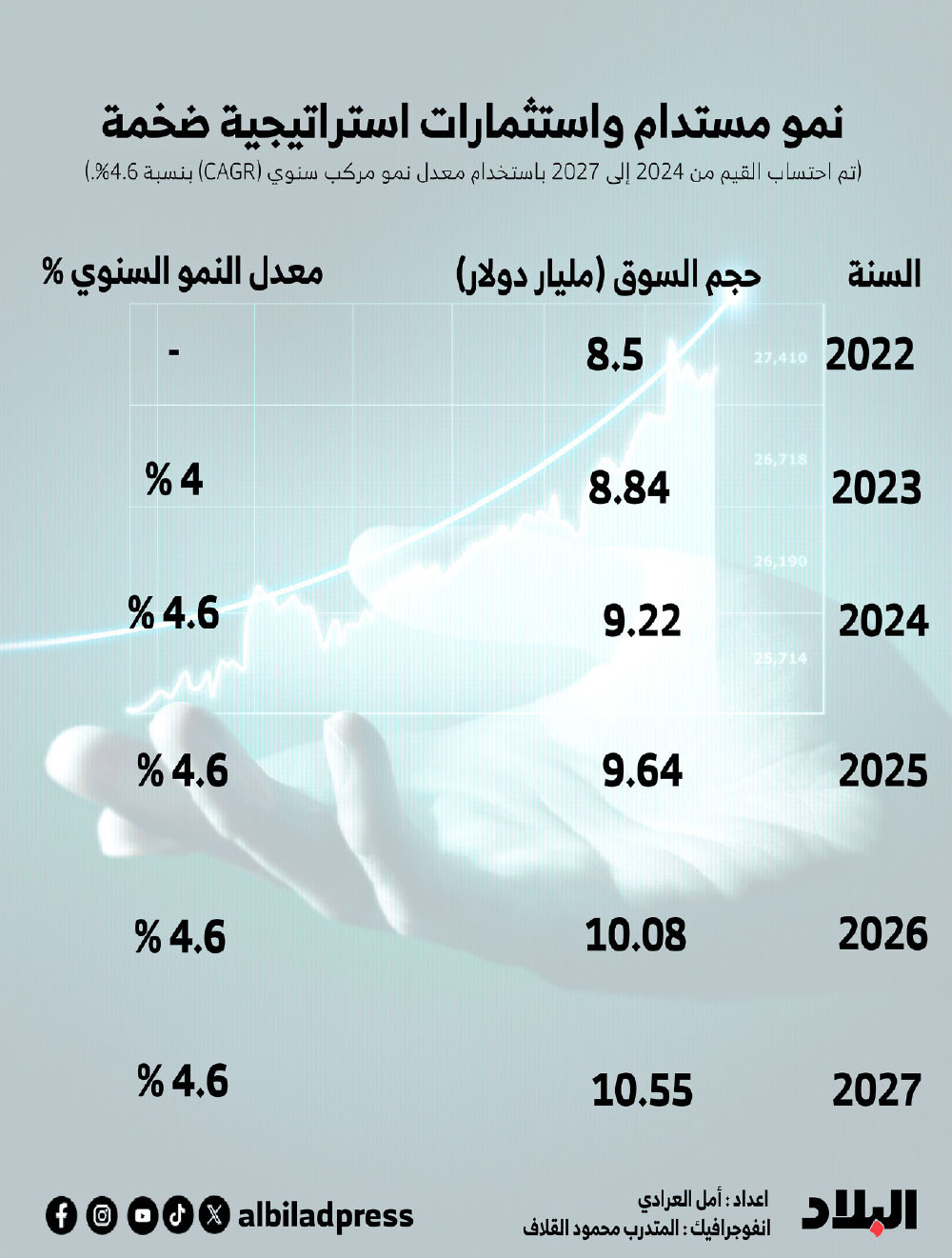
The size of Bahrain's construction market reflects momentum, reaching $3.04 billion USD in 2024, with a compound annual growth rate (CAGR) of 4.18%. Future forecasts anticipate this growth to continue, with the market size reaching $14.87 billion by 2034, at a CAGR of 4.3% from 2025 to 2034, according to a report issued by "Market Research Future".
In a related context, the value of awarded tenders saw an exceptional jump of 145.2% year-on-year in 2024, compared to annual growth of 114.1% in 2023, according to data from the Bahrain Tender Board. Despite this growth, the Central Bank of Bahrain recorded a 2.3% decrease in the average value of outstanding loans to the construction and real estate sector in the first eleven months of 2024; posing potential financing challenges for the sector. Despite these positive indicators, Bahrain's building materials sector faces a number of challenges that may hinder its growth and development pace, particularly concerning financing fluctuations and rising costs of materials and labor.

Industry Leaders Weigh In on Challenges and Solutions
Khalaf Hajjar, President of the Bahraini Contractors Association, expects the building materials crisis, especially the cement shortage, to affect the contracting sector generally, with direct impacts on real estate developers and contracting companies. He stated that many companies will be forced to review their investment plans, anticipating a slowdown in the pace of launching new projects. Hajjar pointed out that the absence of basic materials would lead to significant delays in project execution, increasing operational costs, in addition to the risk of halting some projects, which in turn would negatively affect the sector, especially amidst major developmental projects. He emphasized the importance of the government's efforts to support the contracting sector to contribute to its growth and development. Therefore, it is essential for the concerned authorities to provide all forms of support to the sector to avoid deteriorating contractors' solvency and protect them from resorting to bank borrowing amidst high interest rates. In the same context, Hajjar revealed that the Bahraini Contractors Association has a comprehensive study on the conditions of the contracting market, which will be discussed in the coming period in coordination with all parties to reach solutions that limit the impacts of current repercussions on the contracting sector. Regarding reliance on imported products and their impact on local industry and project quality, he said:
“The industrial sector in Bahrain represents the core of economic development as one of the sectors achieving the highest growth rates, in addition to its role in supporting GDP, contributing over 15% of the Gross Domestic Product supported by the aluminum and transformative industries. Therefore, heavy reliance on imported products may negatively affect the local industry by reducing growth opportunities. Also, the quality of some imported products may not be compliant, which could affect project standards.”
He pointed out that achieving a balance between local and imported products should be based on enhancing local industrial capabilities and supporting them with technology and training, in addition to setting strict quality standards for imported products, diversifying import sources, and stimulating partnerships between local and international producers; which contributes to ensuring the continuity and quality of materials. Hajjar expressed optimism about the future of Bahrain's construction market in the coming period, given the keenness of His Royal Highness Prince Salman bin Hamad Al Khalifa, the Crown Prince and Prime Minister, to support the sector and meet its aspirations. Although expectations indicate that investment volume in the contracting sector will grow annually at a promising rate supported by major developmental projects, the continuation of the building materials shortage crisis without effective solutions may lead to a clear slowdown in the construction market. This situation could negatively affect the growth of the real estate sector. Regarding the most prominent challenges contractors face in securing building materials at appropriate prices and quality, Hajjar explained that contracting companies, especially small and medium-sized ones, face many challenges in construction. The market is full of challenges, including fluctuations in material prices in the global market, delays in import processes due to logistical procedures, in addition to obtaining materials at competitive prices without compromising quality. This is a major challenge in light of current crises and requires finding strong plans to efficiently confront these challenges by enhancing cooperation between concerned authorities, the private sector, and the Bahraini Contractors Association; contributing to achieving the desired goals of advancing the contracting sector in the Kingdom of Bahrain.
For his part, Abdullah Al-Wasati, Operations Manager at a contracting company, explained that basic building materials are currently available, but they suffered a crisis in the past months. He confirmed that building material crises undoubtedly affect the specified timeframes for project delivery, in addition to financial losses resulting from crazy price increases during crisis periods.
He indicated that the reasons for the shortage of building materials are unclear, but they are primarily based on the market's reliance on materials coming from the United Arab Emirates, especially "aggregate" material, as there was a problem with weak imports due to existing projects in the UAE.
He explained that the crises the market witnessed in the past months due to "aggregate", a basic material entering many building materials at different stages, in turn affected bricks and concrete, pointing out that reliance on imports from the Ras Al Khaimah region was the main reason.
Source: Read the original article | Published: July 08, 2025