This editor’s note highlights the key facts and market implications behind “Economic Winter Arrives: China’s Largest Tile Ba”, with emphasis on sourcing, product fit, fabrication, logistics, or buyer impact.
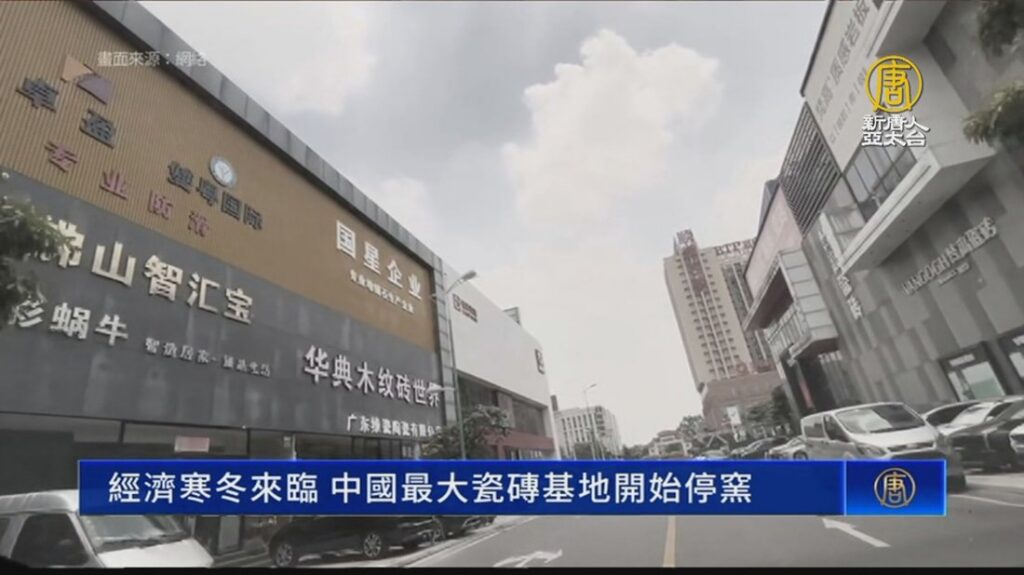
China's real estate economy has experienced a cliff-like decline, affecting the downstream tile industry. Recently, news has circulated online that China's largest tile production base has begun large-scale kiln shutdowns. Foshan is China's largest tile production base, sales distribution center, and export hub. On August 9, a blogger posted that the economic winter is truly coming, as domestic demand fails to rise and overseas markets remain inaccessible, leading Foshan ceramic enterprises to start shutting down kilns. Industry insiders have revealed that more than half of the kilns in the Foshan production area and other regions across China are now idle. Some have privately stated that tile production capacity is severely过剩, and even if no tiles were produced for the next five years, market demand could still be met.
Netizens commented: "The main reason is that both domestic and foreign consumption have stalled" and "Export channels have been completely blocked."
Professor Xie Tian of the University of South Carolina Aiken School of Business said that China's economic recession and real estate downturn will inevitably impact downstream industries.
“China’s economic recession has caused the entire real estate sector to collapse. As tiles are an important building material in real estate, we can see that there is no hope for a short-term recovery in the real estate industry,” said Professor Xie Tian of the University of South Carolina Aiken School of Business.
Building materials, home appliances, and furniture are pillar industries in Foshan, all closely tied to real estate. The sluggish real estate market has dealt a heavy blow to Foshan's economy. In the first quarter of this year, Foshan's economic output rarely saw negative growth, dropping from 287.29 billion yuan in the same period of 2023 to 287.265 billion yuan.
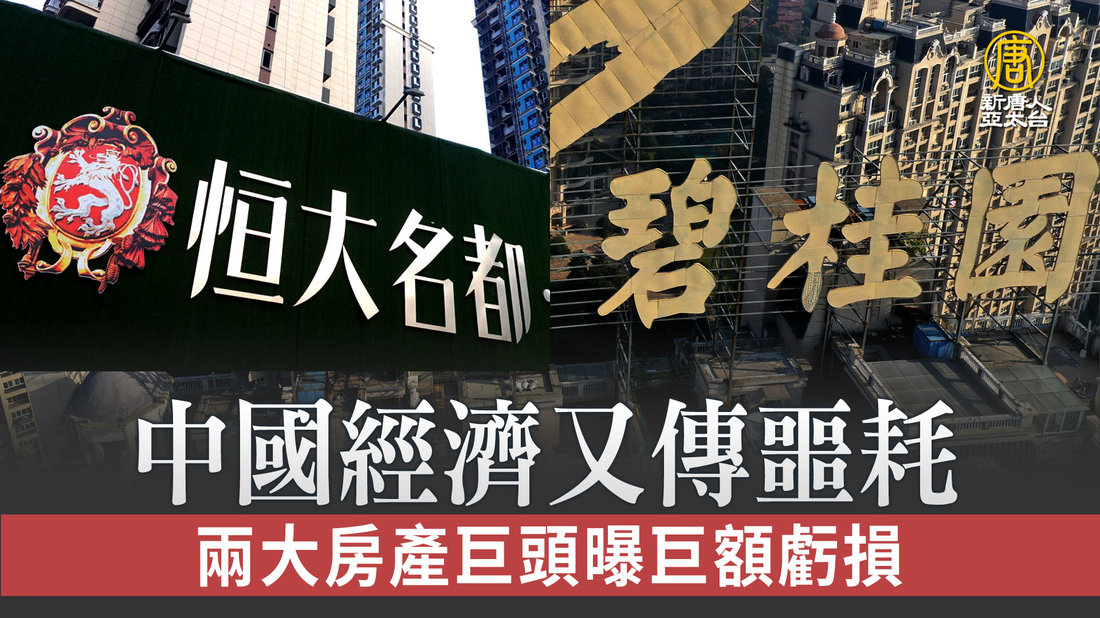
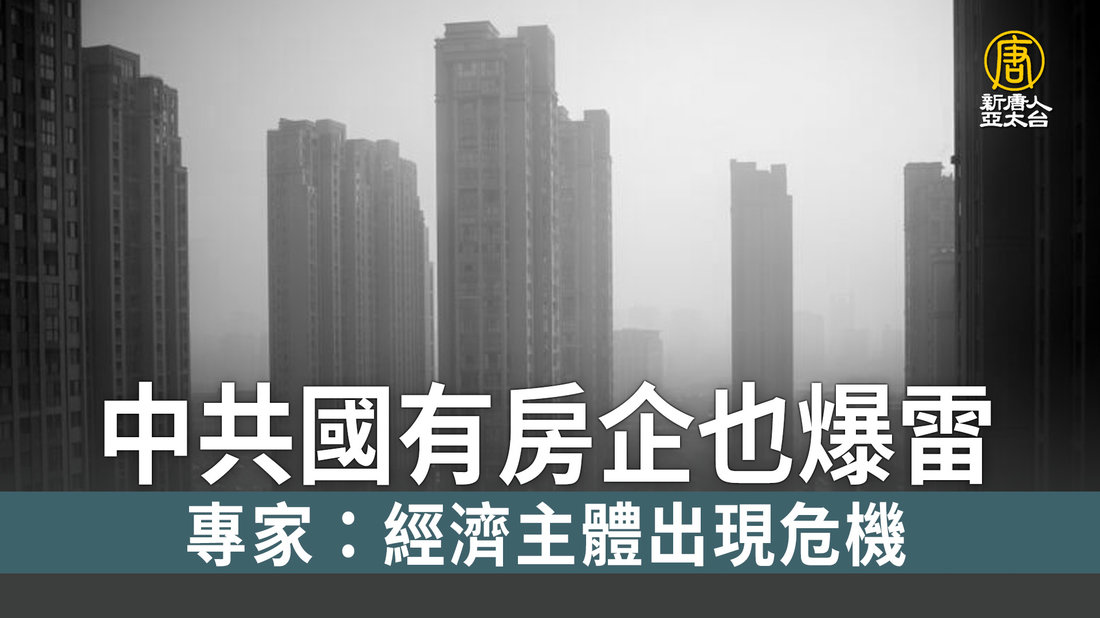
Currently, China's real estate industry remains in a trough. In Dongguan, Guangdong, promotional activities such as "buy one apartment, get one free" have emerged, and some properties are even being sold below land prices. A salesperson bluntly stated that selling a house now is already a success.
“China’s population is declining, and it is not a country that accepts immigrants. No one wants to immigrate to China. How can it possibly absorb so many houses? It’s impossible. So there is no bottom; there is only lower. I think China’s economy, at least the real estate sector, will find it very difficult to digest these inventories within ten years,” said Professor Xie Tian of the University of South Carolina Aiken School of Business.