
Editor's Note
This editor’s note highlights the key facts and market implications behind “Bricks ‘Intruding’ into Ceramic Tiles: Why Were “, with emphasis on sourcing, product fit, fabrication, logistics, or buyer impact.
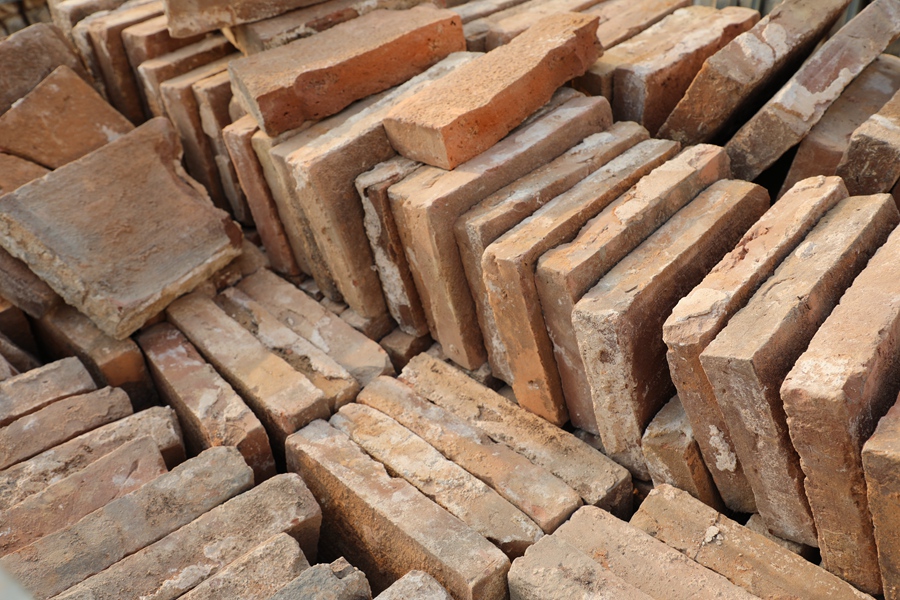
Xiamen, April 18 (People's Daily Online) — A total of 2,068 Qing Dynasty red bricks were found mixed in with a shipment declared as "ceramic floor tiles" for export, an act that may violate the law.
The bricks were discovered by customs officers at the Xiamen International Mail Exchange Center during an inspection of a batch of building materials declared as ceramic floor tiles. Officers found five frames of old red bricks, totaling 2,068 pieces, mixed in with the shipment. Preliminary checks revealed that the bricks showed signs of architectural use, with some even having dried plant leaves embedded in them, indicating they were of considerable age.

After professional appraisal, the bricks were confirmed to be Qing Dynasty red bricks commonly used in Minnan (southern Fujian) red brick buildings, classified as general cultural relics prohibited from export. The 2,068 Qing Dynasty red bricks have been detained by Xiamen Customs pending further processing. Customs reminds that, according to the Cultural Relics Protection Law of the People's Republic of China, the export of cultural relics must be reviewed by the cultural relic import-export review agency designated by the State Council's cultural relic administrative department. Cultural relics approved for export must be accompanied by an export permit issued by the State Council's cultural relic administrative department and must exit through designated ports. Any unit or individual transporting, mailing, or carrying cultural relics out of the country must declare them to customs, which will release them only upon presentation of the export permit. Smuggling of cultural relics that constitutes a crime will be subject to criminal liability; if the smuggling act does not constitute a crime, customs will impose penalties in accordance with relevant laws and administrative regulations.
Source: Read the original article | Published: April 18, 2024