
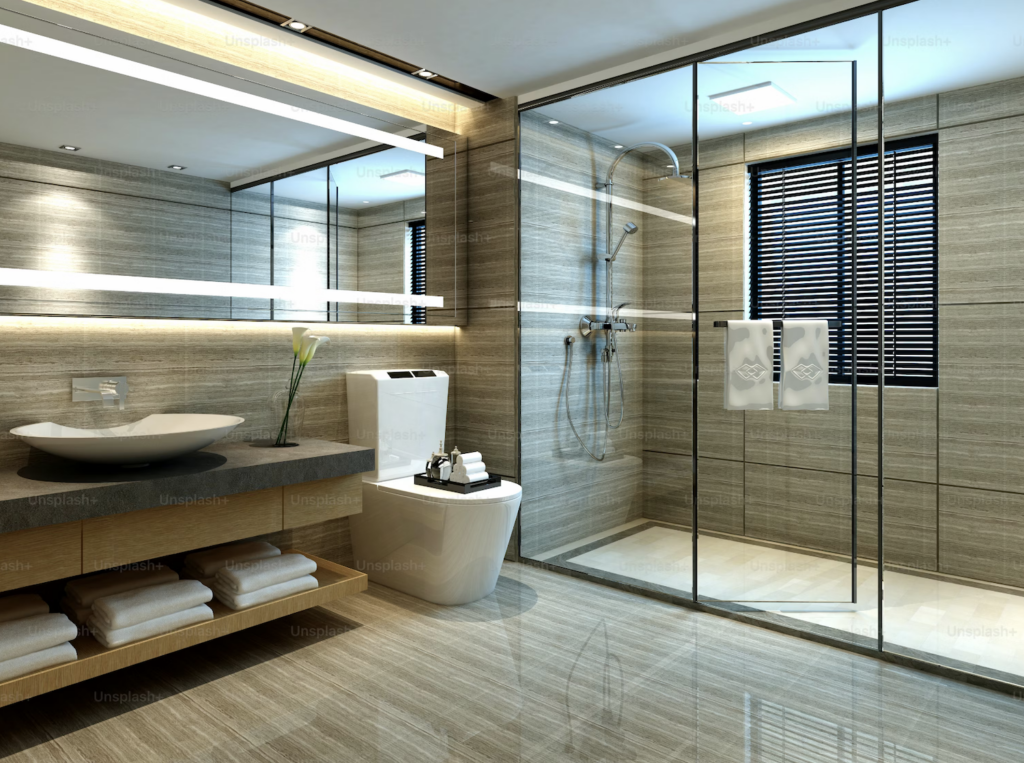
Editor's Note
This editor’s note highlights the key facts and market implications behind “Bathroom Trends 2026: Innovative Technologies, M”, with emphasis on sourcing, product fit, fabrication, logistics, or buyer impact.
We are talking about bathroom trends for 2026, a domestic environment where comfort, technology, efficiency, and sustainability coexist. Faucets, sanitary ware, and shower systems are becoming technological and interconnected elements, while innovative finishes and materials are redefining the aesthetics and functionality of wellness spaces. The bathroom is now a laboratory of innovation, where technology, materials, and design interpret new needs for comfort, health, and sustainability. In 2026, the plumbing (ITS) sector, but also HVAC, finds one of its most dynamic frontiers here, thanks to solutions that combine electronic control, water saving, energy efficiency, and aesthetic enhancement. Faucets represent an area where technological research is most evident. New models for washbasins, bathtubs, showers, and bidets integrate proximity sensors, automatic flow and temperature regulation systems, as well as touch or Bluetooth interfaces for smart water management. The goal is twofold: to minimize waste and guarantee a precise, customizable user experience. Low-friction cartridges, flow limiters, and instant mixing systems can reduce consumption by up to 50% compared to traditional products. Alongside technology, the language of materials is also evolving. Faucets in 2026 adopt bodies made from decarbonized brass, steels with special alloys, and latest-generation PVD surface treatments: a thin but extremely resistant finish, capable of ensuring durability, hygiene, and a much wider color range. The color palette now ranges from warm tones of bronze and brass to opaque neutrals and dark variants, which pair with ceramic surfaces and mineral resin composites. Washbasins, increasingly thin and light, use lightweight ceramics or antibacterial, repairable solid surface materials. In sanitary ware, monolithic and wall-hung forms prevail, with high chemical resistance glazes and photocatalytic coatings that facilitate cleaning. Shower trays are also evolving: alongside traditional acrylic materials are recyclable mineral blends and textured non-slip surfaces capable of replicating the effect of stone or slate. The walk-in shower confirms its role as the protagonist of the bathroom environment and the symbol of an open, modular architectural approach. Integrated channel systems and tempered glass walls with anti-limescale treatments offer total visual continuity while maintaining cleanliness and durability. The most advanced solutions feature linear shower arms with uniform distribution, chromotherapy functions, and connection to integrated ventilation and dehumidification systems, to create a true wellness microclimate. Simultaneously, demand is growing for freestanding bathtubs, which can be installed even in compact spaces thanks to their compact geometries and integrated floor drains. Composite and thermal materials maintain water temperature longer, reducing consumption and enhancing sensory comfort. In many cases, bathtubs are designed as true sculptural volumes, in visual continuity with the flooring or with opaque finishes reminiscent of natural stones. Home spas are also becoming a full-fledged part of domestic daily life: compact steam cabins, steam generators, and multifunction showers with massage functions are integrated into advanced residential projects. Installers and ITS designers find new opportunities in this trend, related not only to the installation of plumbing components but to the integration of climate control, humidity control, and mechanical ventilation. Connectivity plays a growing role. New devices communicate with home automation HVAC systems, allowing management of temperature, ventilation, and water consumption from a single interface. Predictive maintenance is supported by sensors inside faucets and valves, which signal pressure anomalies or leaks, reducing intervention times and management costs. In 2026, the direction is clear: the bathroom environment becomes an integrated, efficient, sensory, and sustainable ecosystem. For the ITS and HVAC sectors, this means designing more flexible systems, intelligent components, and digital connections that unite comfort and environmental responsibility. The next frontier will be the full interaction between energy, water, and wellbeing, in a bathroom that is no longer just a functional space but a sensitive node of the contemporary home.
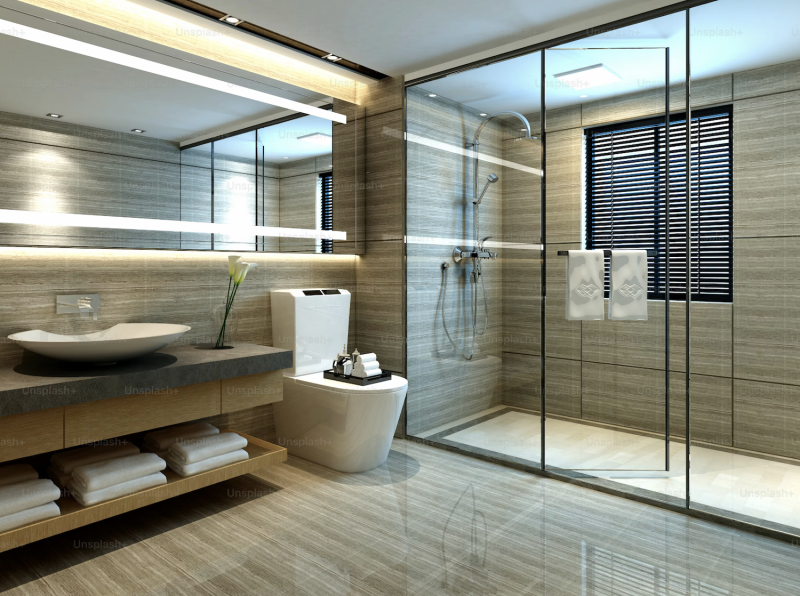
Bathroom Trends 2026: This Year’s Trends
– Water Efficiency: Faucets with electronic control and flow limiters to reduce waste. – Sustainable Materials: Decarbonized brass, lightweight ceramics, recyclable composites. – Advanced Finishes: Resistant PVD treatments, opaque colors, and metallic textures. – Walk-in Showers: Visual continuity, channeled systems, and anti-limescale glass. – Freestanding Bathtubs: Thermal composites and compact solutions for small spaces. – Home Automation Connection: Unified management of climate and water, predictive maintenance. – Domestic Wellness: Spread of home spas with integrated steam and aromatherapy systems.
Source: Read the original article | Published: April 02, 2026