
Editor's Note
This editor’s note highlights the key facts and market implications behind “Veneta Cucine presents Caranto, the new brand of”, with emphasis on sourcing, product fit, fabrication, logistics, or buyer impact.
Veneta Cucine, the most integrated Italian platform for kitchen furniture production, a leader in Italy and a reference brand in the sector, presents Caranto, its new product line specialized in the creation of technical kitchen countertops for its own kitchens and beyond. A new plant located in Olmi di San Biagio di Callalta, a few kilometers from Biancade, where Veneta Cucine's headquarters are located, is dedicated to this product line. The factory is a very recent and state-of-the-art production facility, a concentration of technology and automation extending over a surface area of 10,000 sqm dedicated exclusively to the transformation and logistics of raw materials. The plant is the result of meticulous work on the selection of advanced technologies and production techniques.
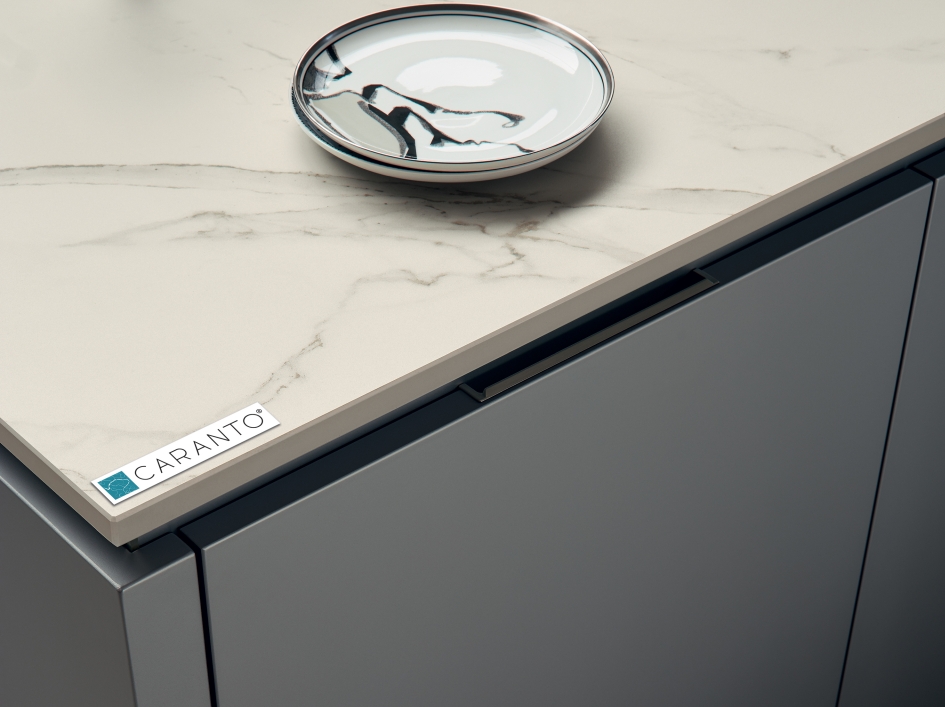
Caranto is synonymous with design and high professional performance. It ensures, through its many variations, standards of absolute quality and beauty and offers countless finishes for the production of countertops, islands, splashbacks, backsplashes, sides, and table tops in both quartz and ceramic, to meet all kitchen project customization needs. Caranto countertops are divided into Caranto Ker, in ceramic, and Caranto Quartz, in quartz.
Caranto Ker
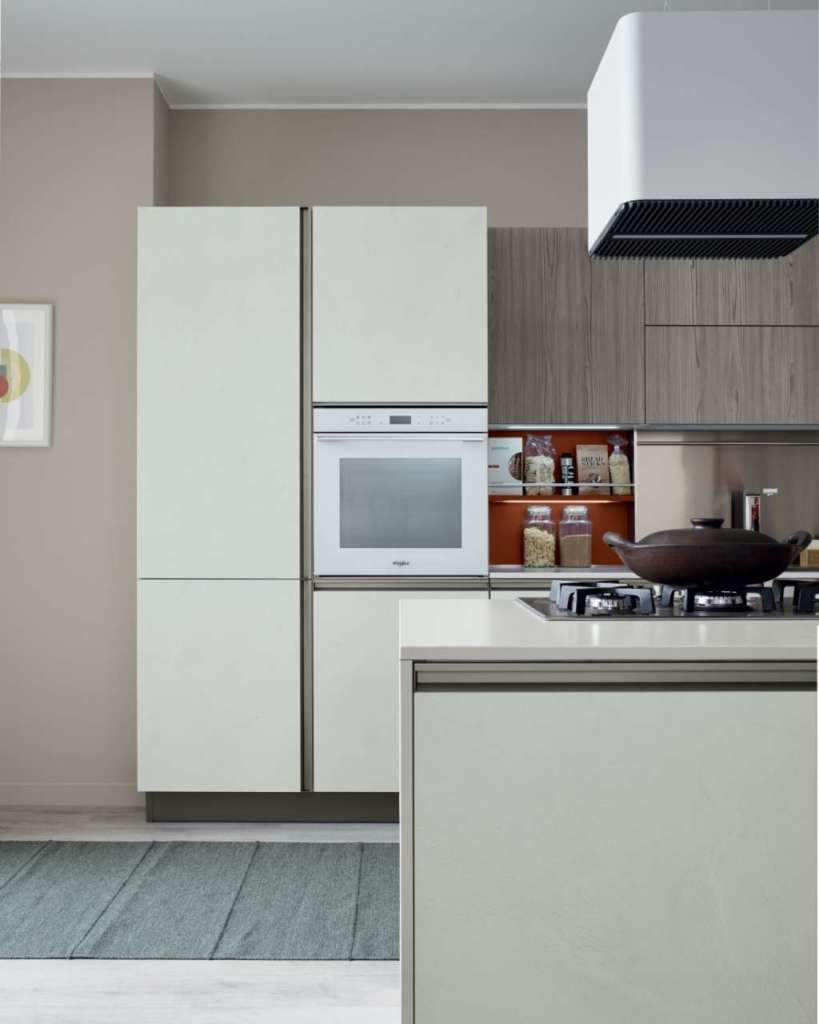
Caranto Ker is composed of ceramic clays and mineral colors that are unalterable over time and are not affected by heat, light, or the use of any chemical product for cleaning and disinfection. It is resistant to high temperatures: contrary to other similar materials, it does not burn with fire nor does it fear heat.
Caranto Quartz
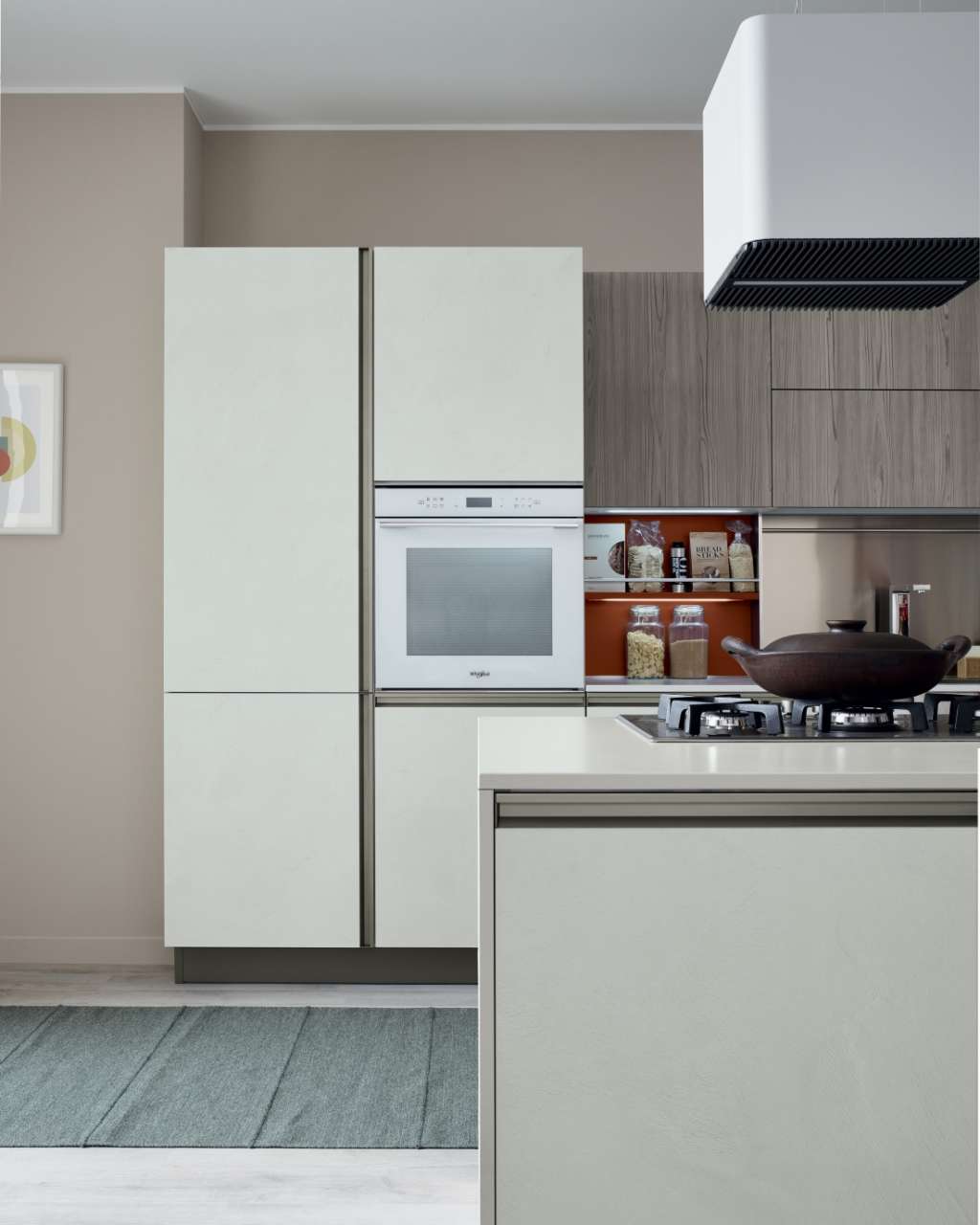
Caranto Quartz is made with siliceous stone products, therefore silica sands, quartzite, ground quartz aggregated with glass, feldspar, and some granites. These are countertops characterized by high scratch resistance, low water absorption, and high resistance to chemical agents. Food leaves no stain on the surface. Polished quartz surfaces are non-porous and highly resistant to liquids and acidic substances. The reason for choosing the name Caranto is linked to the characteristics of this sediment—very hard and compact, yet at the same time ductile—on which the piles for the foundations of Venice were planted. This fantastic city, therefore, could not exist without Caranto.
Source: Read the original article | Published: April 03, 2019