
Editor's Note
This editor’s note highlights the key facts and market implications behind “Save Half Your Renovation Budget! These ‘Alterna”, with emphasis on sourcing, product fit, fabrication, logistics, or buyer impact.
Dreaming of a high-quality, beautiful home but worried about blowing your budget? In reality, by knowing how to use alternative building materials, you can not only keep costs down but also create aesthetics and functionality that exceed expectations. This guide compiles essential tips for novice renovators, covering budget allocation, material selection, application in different spaces, construction details, and procurement and acceptance procedures, helping you save money and secure a high-quality home with peace of mind.
I. Budget Control Relies Entirely on ‘Alternative Building Materials’
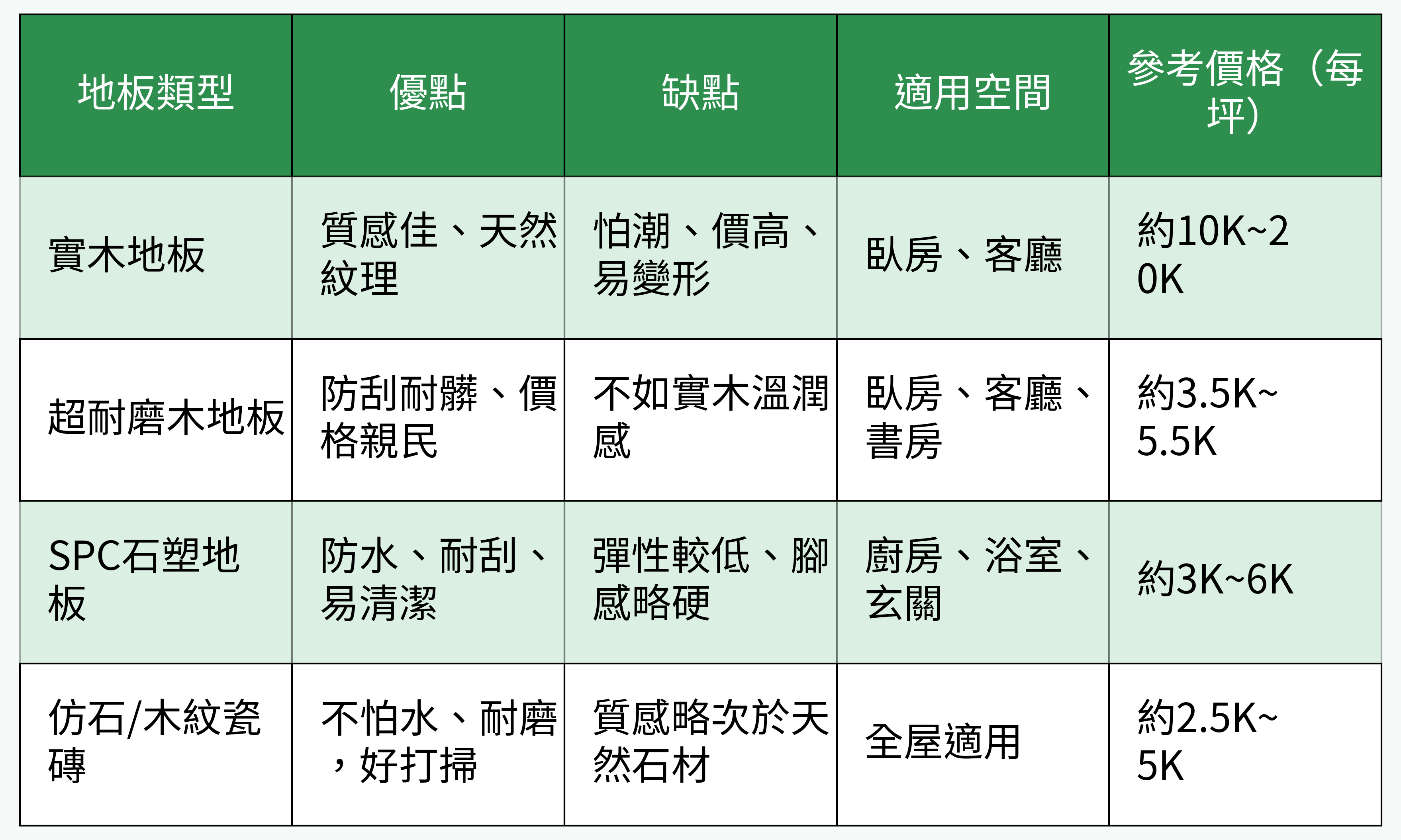
1. Renovation Budget Allocation: Flooring, Walls, Ceilings The key to a renovation budget is proper allocation: 60-65% for design and renovation (flooring, walls, and ceilings being the major items), 15% each for appliances and furniture, and 5-10% left for decorative details. Flooring and walls cover the largest area, so prioritizing these large surfaces maximizes overall quality. Also, consider what you 'need' versus what you 'want', and use ready-made furniture to reduce carpentry costs. 2. High Cost-Performance Material Selection Principles: Aesthetics + Durability + Easy Maintenance When selecting materials, first consider durability and ease of cleaning. Choose moisture-resistant materials for damp spaces, and ensure thorough waterproofing, especially in old house renovations. Alternative materials with design features are not only versatile in appearance but also waterproof, scratch-resistant, easy to maintain, and affordable. Avoiding constant repairs is true savings. 3. Cost Comparison: Traditional vs. Alternative Materials For flooring, solid wood offers great texture but is expensive and susceptible to moisture. SPC stone plastic composite flooring or laminate wood flooring is waterproof, scratch-resistant, and saves significantly on budget. Marble is luxurious, but creating a single wall can cost nearly NT$100,000. A large-format porcelain slab imitating marble costs about NT$20,000-30,000, with a similarly grand finished effect. With quality on one hand and budget savings on the other, alternative materials truly make a difference. Image provided by Rizhe Design, click to view project details.
II. Comprehensive Analysis of Common High-Quality Alternative Building Materials
1. Flooring: Laminate Wood Flooring, SPC Stone Plastic Composite Flooring, Stone-Look Tiles Traditional solid wood flooring is beautiful but requires tedious maintenance and is prone to insects and deformation. Many now choose laminate wood flooring, which is scratch-resistant, dirt-resistant, and affordable. SPC stone plastic composite flooring emphasizes waterproofing, making it suitable for homes with pets or damp environments. Wood-look or stone-look tiles are waterproof, easy to clean, and suitable for bathrooms and kitchens. 2. Walls: Imitation Exposed Concrete Coating, PVC Printed Panels, Slatted Wood Panels Want an 'industrial style' wall with exposed concrete but find it expensive? Try an imitation exposed concrete special coating, which offers texture and durability. PVC printed panels easily change styles and are moisture-resistant and easy to clean. Slatted wood panels add layers of texture, creating a warm and modern feel. 3. Ceilings: Light-Gauge Steel Wood-Grain Panels, Fire-Resistant Gypsum Board If you don't need complex ceiling designs, light-gauge steel wood-grain panels or fire-resistant gypsum boards are lightweight, easy to install, offer soundproofing and fire resistance, and are competitively priced. 4. Doors/Cabinets: Particleboard, PU Door Panels, Glass Decorative Doors
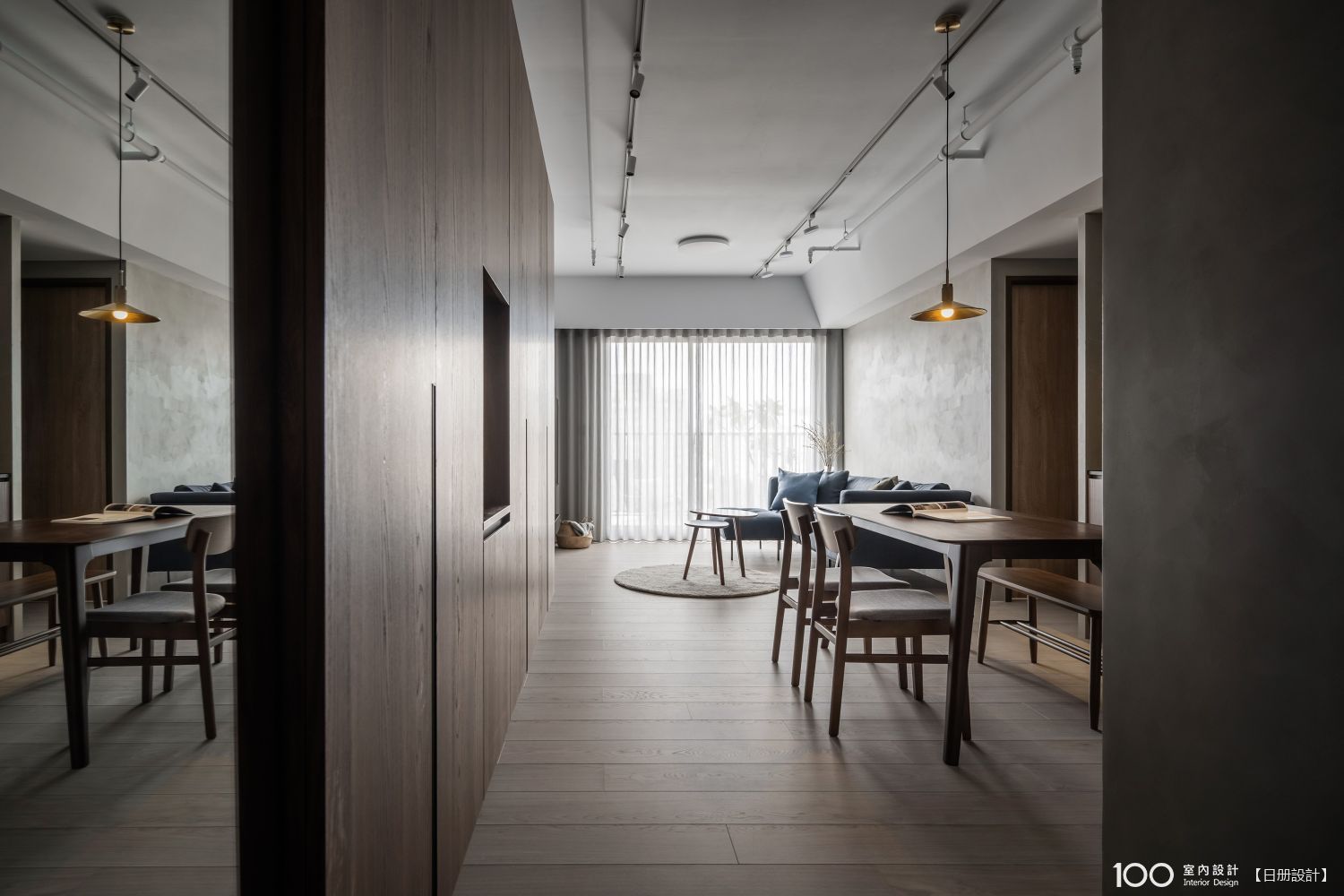
For doors and cabinets, using particleboard, PU door panels, or craft glass decorative doors offers a wide variety of colors and styles, relatively affordable prices, moisture resistance, easy maintenance, and great design flexibility, significantly enhancing the space's refinement. Image provided by Yuyu Space Design, click to view project details.
III. Space-Specific Application Suggestions
1. Living Room: Marble Alternatives, Open Slatted Design For the TV wall or main wall, use large-format porcelain slabs with marble-like veining for an imposing look that rivals real stone while saving costs. Pair with wooden slats for partial partitions or decorative cabinets for a modern and open feel. 2. Kitchen: Fire-Resistant Laminate, Durable Tiles Use fire-resistant laminate for kitchen walls; it's attractive and easy to clean. For countertops or backsplashes, consider thin porcelain slabs or artificial stone, which are heat-resistant and prevent stain penetration, making daily maintenance simple and worry-free. 3. Bathroom: Waterproof PVC Wall Panels, Seamless Flooring Use waterproof PVC wall panels or seamless waterproof coatings in the bathroom to prevent moisture intrusion and extend lifespan. For flooring, choose slip-resistant seamless tiles or stone-look materials for comfort and safety. 4. Bedroom: Wood-Look Wall Panels, Functional Cabinet Materials For a warm and easy-to-maintain bedroom, use wood-look coating on walls and system panels for wardrobes or storage cabinets, combining style and practicality. For cabinet doors, consider MDF or particleboard for color flexibility and lower cost.
IV. Key Construction Details
1. Key Installation Methods for Alternative Materials Although alternative materials are cheap and beautiful, always consult professional craftsmen. Correct installation methods ensure longevity. Large-format porcelain slabs require a solid base installation with no voids. For wood flooring, ensure the subfloor is level and joints are finished meticulously. 2. Different Approaches for Renovations vs. New Homes New homes have complete electrical and plumbing infrastructure, allowing for targeted renovations. Old houses require priority checks on electrical, plumbing, and waterproofing, with sufficient budget allocated for foundational work.
3. Joint, Trim, and Edge Finishing Solutions Joints and edges can easily reveal flaws. Use expansion joints and trim strips to hide boundaries. Curved or partial edge finishing avoids sharp corners and adds design flair, but note that curved designs may increase labor costs. 4. Material and Color Matching Proposals Don't want to stick with white? Pair walls with latte tones or imitation exposed concrete gray, combined with wood or stone textures, to instantly create a warm and upscale feel. Large stone-look panels paired with warm wooden cabinets achieve a modern, minimalist look without feeling cold. Image provided by Xingshang Design | Xingsxia Production, click to view project details.
V. Key Points for Procurement and Acceptance of Alternative Materials
1. Recommended Local Brands in Taiwan Prioritize reputable local brands or building material suppliers. Inquire about warranties and response times for better renovation assurance. Many online services offer one-stop in-home measurement and brand recommendations. 2. Essential Preparation for Procurement Specifications and On-Site Measurement Measure yourself or have a designer confirm specifications on-site to ensure correct dimensions and avoid material waste. Reserve space for processing and edge finishing. 3. Inspecting Texture, Durability, and Certification Marks Touch and feel the texture in person. Check for color differences, chips, and manufacturing dates. Choose products with certifications for fire resistance, moisture resistance, or low formaldehyde to ensure health and safety. 4. Contract Details and Acceptance Process Ensure all selected materials, brands, models, quantities, and origins are listed in the contract. Check each item upon delivery, conduct on-site acceptance, and take photos for documentation. This provides evidence for any future issues. Overall, mastering the use and acceptance techniques of alternative materials allows even budget-conscious renovators to become experts! Communicate thoroughly with your designer or contractor, ask questions when unsure, and research actual products and brand information. Experiencing materials firsthand is most accurate. With the right methods and spending wisely, you can achieve a high-quality, beautiful home even on a limited budget!
Source: Read the original article | Published: May 03, 2026