
Editor's Note
This editor’s note highlights the key facts and market implications behind “Housing Market Freeze Hits Industry Chain! US 70”, with emphasis on sourcing, product fit, fabrication, logistics, or buyer impact.
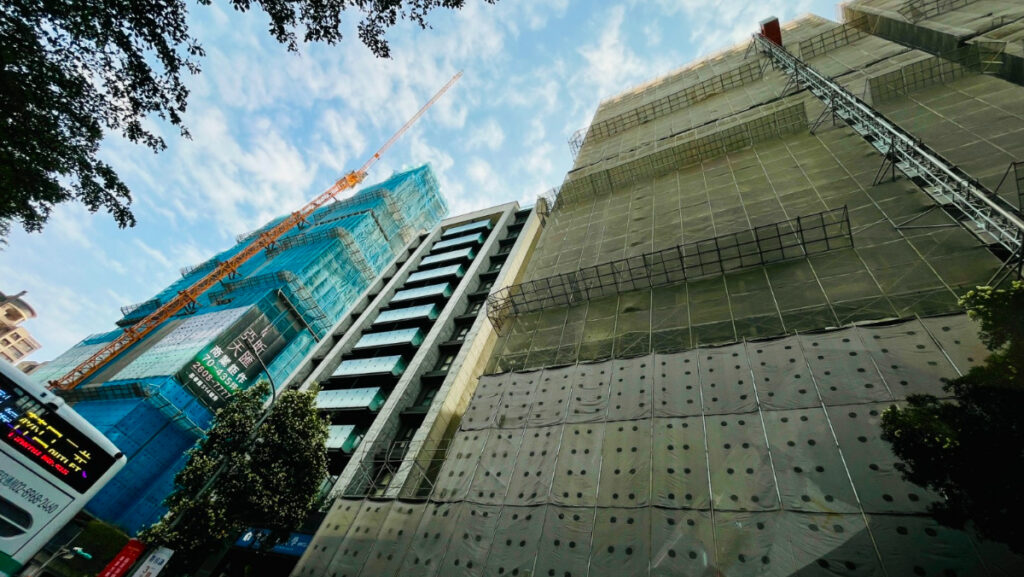
The housing market has completely frozen, severely impacting the entire industry chain, with the furniture and ceramic sectors facing both internal and external pressures. (Photo by Li Zhenglong) The housing market freeze is not only alarming builders and developers but also heavily affecting the industry chain. Essential kitchen equipment for households is facing challenges both at home and abroad. You Qiunan, Chairman of the National Federation of Kitchen and Cabinet Commercial Associations, stated today (December 8) that the US government imposed a 50% tariff on furniture and kitchen cabinets in October, plus a temporary reciprocal tariff of 20%, bringing the combined tariff to 70%. As of November, some member manufacturers have stopped exporting to the US. Lin Youyu, Chairman of the Taiwan Ceramic Industry Association, noted that industrial natural gas prices have risen over 60% in two years, increasing tile production costs. By October, five factories had either closed or suspended operations, urging government support for the industry.
Internal Housing Winter and External US Tariffs: Sales of Kitchen Appliances Decline 20%
You Qiunan, Chairman of the National Federation of Kitchen and Cabinet Commercial Associations, lamented in an interview that US President Trump imposed new tariffs in mid-October, levying duties on imported wood, furniture, and kitchen cabinets. Specifically, tariffs on kitchen and bathroom cabinets were raised to 50%, plus a 20% temporary reciprocal tariff, totaling 70%. This has severely impacted larger domestic furniture manufacturers, with four member companies that export to the US having already halted exports. Meanwhile, they face dumping pressure from China in ASEAN countries. You Qiunan pointed out that under high mortgage rates and a sluggish housing market, new home deliveries have decreased and consumer budgets have tightened, impacting the domestic kitchen and cabinet industry. Previously, a kitchen set had a lifespan of about 6 to 7 years, but due to changing circumstances and an increase in dining out, usage has extended to over 10 years. Even sales of the frequently replaced "kitchen trio"—gas stoves, range hoods, and dish dryers—have declined nearly 20% compared to last year, reflecting both internal and external challenges. You Qiunan said that the government's energy-saving appliance program has excluded water heaters and related products for three years, which is unfair to the industry. He hopes the government will include kitchen equipment in energy-saving subsidies. Additionally, he urged the National Housing and Urban-Rural Development Center to prioritize the "TKCAS" insurance label promoted by the Kitchen and Cabinet Commercial Association when building social housing and procuring kitchen equipment, making it a mandatory requirement for bidding.

Gas Prices Rise Over 60% in Two Years: Ceramic Association Calls for Price Freeze and Support for Domestic Tiles
Lin Youyu, Chairman of the Taiwan Ceramic Industry Association and General Manager of Champion Building Materials, also spoke for the industry. He said that members are mostly ceramic tile manufacturers, with natural gas and electricity as production costs. The cumulative price of industrial natural gas has risen from NT$8.6 per cubic meter to NT$14.06, an increase of 63.49%, while industrial electricity prices have risen 63.5% in two years. Lin Youyu stated that due to gas and electricity price increases exceeding 60%, production costs for the ceramic industry have surged, leading to higher tile prices. However, contracts with builders prevent price adjustments, forcing manufacturers to absorb most of the increases. Over the past year, five factories have closed or suspended operations. "Industrial natural gas prices have risen too much," he said, urging the government to freeze industrial natural gas prices or carefully adjust energy prices to reduce business burdens and help stabilize industry operations. Additionally, Lin Youyu suggested that current green building material policies require 60% green material usage for interior renovations and 20% for exteriors. He hopes to raise these to 75% for interiors and 40% for exteriors nationwide to promote carbon reduction and sustainable development, while the government should lead by supporting the use of domestic ceramic tiles.
Source: Read the original article | Published: December 08, 2025