
Editor's Note
This editor’s note highlights the key facts and market implications behind “These 3 Problems With Wall-Hung Toilets Need to “, with emphasis on sourcing, product fit, fabrication, logistics, or buyer impact.
Some designs become so accepted as the norm that no one even stops to consider whether they're actually the right choice. And recently, I've noticed that the ever-popular wall-hung toilets may be the latest victim of this.
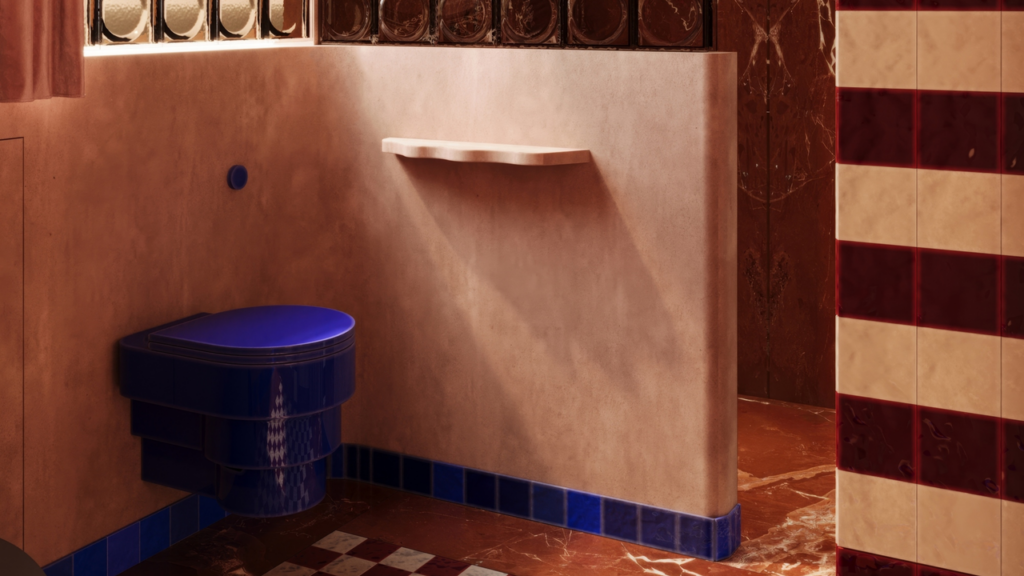
In many ways, it shouldn't come as a huge shock either. Wall-hung toilets have been designers' go-to choice when designing, as they have a sleeker, lighter look — plus, they make cleaning far easier. Wall-mounted models also offer you more freedom over your design, allowing you to adjust the height to best suit you. When you compare them to traditional, floor-mounted models, these toilets just seem far more… elevated, both literally and figuratively.
However, as true as these benefits may be, that doesn't mean these designs are entirely without flaws. Remember, just because everyone else has something, it doesn't mean it's necessarily the right fit for you or your space. So, before you blindly commit to a new loo, I've asked the experts to say what everyone else has been keeping to themselves — these are the three biggest problems with wall-hung toilets.
1. Installation Issues
While the experts unanimously agree on the aesthetic benefits of wall-hung designs, the practical side is a whole different thing. Once they're in, they look great, but getting to that point is where the issues lie.
Unlike traditional toilets, which are mounted to the floor, these designs require a slightly more complicated installation process.
“They rely on a concealed frame system that sits inside the wall or within a stud partition, so installation is more involved than with a traditional floor-standing toilet and will usually require additional building work,” explains Adam Wollerton, bathroom design manager at BK Eleven.
This 'concealed frame system' requires high structural stability and an expert installation.
“A high-quality support frame, securely fixed during installation, is essential to ensure the pan remains completely stable over time. When fitted correctly, these systems are extremely robust, but careful installation is key,” says Anica Beet, design manager at Frontline Bathrooms.
It can, however, take time and may require some significant structural work.
Because of this, experts will typically avoid recommending wall-hung designs unless you're planning a full refurb.
“If the project is a straightforward update rather than a full bathroom renovation, a floor-standing design often keeps installation simpler and more cost-effective,” says Adam. “It is also a sensible option in older properties where altering the wall structure or relocating pipework would add unnecessary complexity.”
2. Less Suited to The Traditional Look
While it remains true that, for the most part, experts favor the look of a modern, wall-hung toilet, in certain settings, a traditional design just makes more sense.
Although wall-hung designs can often feel lighter and more elevated than a floor-mounted toilet, this isn't a universally positive thing.
“A traditional toilet is a thoughtful choice when a space calls for character and a sense of permanence, particularly in homes that value heritage detail or a more considered, layered aesthetic,” says Paul Dwyer from Thomas Crapper & Co.
With the rise of more traditional bathroom designs, with old, freestanding tubs and crown molding thoroughly in vogue, a traditional toilet becomes the more natural choice.
“With features such as exposed cisterns and crafted finishes, it introduces architectural interest and personality while remaining entirely practical for everyday use,” says Paul.
Against these farmhouse bathroom style features, a floating toilet can feel incongruous and out of place.
3. Hidden Expenses
Another thing people may not be quick to share about wall-hung toilets is the added costs. Not only are these designs more expensive than classic wall-mounted designs to begin with, but there are also a plethora of additional hidden costs, too.
“Access is the other thing,” notes Jonathon Barclay. “Repairs are the biggest concern with wall-hung toilets because the tank and most of the plumbing are hidden inside the wall.”
Designing a new toilet, or bathroom, can be a costly undertaking, so ensuring you make the right choices can feel even more important than usual.
Source: Read the original article | Published: March 18, 2026