
Editor's Note
This editor’s note highlights the key facts and market implications behind “These Are the Most Popular Interior Styles of 20”, with emphasis on sourcing, product fit, fabrication, logistics, or buyer impact.
Somewhere on the spectrum between Scandinavian and Japanese interior design styles is Japandi. Low furniture and natural materials are key elements of this aesthetic, and you can expect the color palettes to remain neutral. You'll frequently also see paper lanterns and imperfect ceramics in Japandi spaces.
Raw materials like reclaimed wood, stone, and iron all make appearances, and high-pile textiles like shearling, wool, and velvet add to the layered look. Take this home, restored by designer Sarah Anderson-Magness. There's warm wood paneling, brown bathroom tiles, and chrome plumbing. Japanese influence—as seen by the folding screen atop the bed—was also prominent in American midcentury modernism.
Spaces that blend traditional and contemporary elements are dubbed transitional. Here, the designer pairs classic elements like a bench seat sofa and antique coffee table with modern lines on the stone side table and 21st-century artwork.
Rustic design, the rough-and-ready cousin of the Farmhouse style, is focused on organic elements (like unpolished stone and natural wood), a neutral color palette, and functionality. The beauty lies within the craftsmanship of the pieces used. Think about this Montana home by designer.
The go-to color pairing is blue and white, but you can warm it up with terra-cotta, natural wood tones, and earthy textures like rattan and stone. For this breakfast area, designer Jon De La Cruz paired an antique Spanish refectory table with Holland & Sherry fabric for the banquette slipcover.
Rich Ranch Is a Yellowstone-Inspired Design Trend
You're likely familiar with certain interior design styles like midcentury modern, farmhouse, and Art Nouveau, to name a few. And you may already have an idea of the style that most speaks to you and your home. However, there are a lot more interior aesthetics and styles than most people realize, and even if you have heard of most of them, being able to recognize and understand the design principles that make up each one is a different story.
Much like fashion, interior design styles extend far beyond the basic concepts of minimalism and maximalism. Some interior design styles are rooted in distinct time periods, such as the geometric elegance of Art Deco from the 1920s. Others reflect regional influences, like the clean, functional appeal of Scandinavian design. You might associate midcentury modern style with sleek, postwar silhouettes or recognize maximalism by its bold use of color and pattern. Whether shaped by history or geography, each interior design style comes with its own defining features and visual language.
Once you’ve deepened your understanding of interior design styles, the creative journey becomes even more exciting.
“The best design projects were the ones where people broke all the rules.”
And here’s an important reminder: you don’t have to stick to just one. Even the professionals love mixing styles, old and new.
“Maintaining a consistent color palette throughout your house will blur the lines between styles.”
Ahead, read up on all of the major interior design styles. Once you’re armed with this knowledge, the fun really begins.
Gustavian
The 1770s to the early 1800s encapsulated Sweden's Gustavian era. Named for the two kings of that period, this interior design style is a more streamlined version of Rococo. Curved silhouettes became straight, and intricate millwork was shown on doors, columns, and furniture. Pastel hues were indicative of this design period, as were slim, tapered furniture legs, like those of this bench in a home by designer Marshall Watson. The design of this age was largely symmetrical.
Japandi
Related Story: What Japandi Style Is, According to Designers
Alpine Chic
More elevated than a rustic cabin, the alpine interior design style encompasses cozy mountain living. These spaces are often inspired by Swiss ski chalets. Jeremiah Brent–designed space serves as an excellent example of the moodier side of the style.
California Coastal
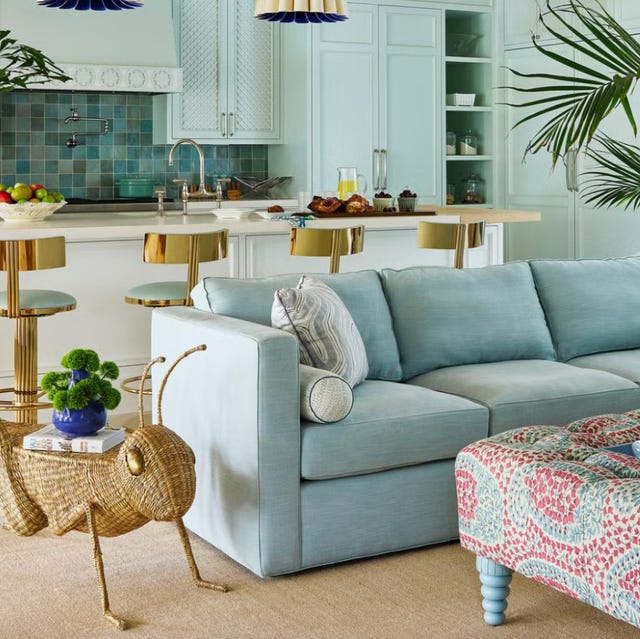
A more laid-back version of traditional coastal design, California Coastal brings comfort and natural textures to the forefront. Chaney Widmer, the interior designer behind Mix & Match Design Co, explains that this style encapsulates a 'tailored yet casual' energy similar to Californians themselves. Color palettes consist of neutrals, greens, and blues, while materials used often include wood, rattan, leather, and linen.
Related Story: Everything You Need to Know About California Coastal Design
Biophilic
Biophilic design puts a connection to nature at the top of its core principles. From including large-scale installations, like plant walls and green roofs, to using recycled materials in furniture and upholstery, biophilic design takes eco-friendly living to a new level. Focus on incorporating a lot of natural light and greenery to get started.
In a home by interior designer Liz Bonesio, the sunroom showcases exterior greenery through tall windows that also allow for ample natural light for potted plants inside.
Southern Traditional
Source: Read the original article | Published: January 05, 2026