
Editor's Note
This editor’s note highlights the key facts and market implications behind “The Art of Ceramic Facades: How to Make Architec”, with emphasis on sourcing, product fit, fabrication, logistics, or buyer impact.
Today we have the opportunity to work with high-quality ceramics from international manufacturers with extensive experience. This opens the door to new Ukrainian projects with unique facade solutions and our own vision of well-being through architecture. The stories of major German brands Agrob Buchtal, TONALITY, and MOEDING will help us explore the modern path of ceramics in architecture. Furthermore, we will have the participation of experts such as Svyatoslav Shilin, CEO of the Ukrainian company BUDZIRKA; Raimund Kwak, Export Sales Director of MOEDING; and Anton Oliynyk, architect and co-founder of BURØ Architects. Svyatoslav Shilin believes there are subtler, yet no less important, aspects regarding the experience and emotions that architectural ceramics convey to the user. It is capable of creating a sense of durability, solidity, and respectability, a serene solemnity in buildings. Regardless of grout color, decoration, or texture, the material always remains natural and warm, bringing this touch to projects. Today, MOEDING combines its technological tradition with openness to customized solutions for architects. To understand how the company works with professionals and the role of ceramics in modern architecture, we spoke with the Export Sales Director of MOEDING.
From Antiquity to Ventilated Facades
Clay, both raw and fired, appeared in the construction world long before the invention of concrete. The availability of raw materials, the softness of the material during the molding phase, and the possibility of replicating products have made ceramics an integral part of architecture in different parts of the world. From bricks, tiles, and pipes to wall tiles, faucets, and decorative interior elements: the versatility of ceramics and the number of functions it performs in buildings of the past and present is impressive. Colored glazed tiles were used thousands of years ago in Ancient Egypt, Mesopotamia, and the Middle East. One of the world's first examples of ceramics for facades is the Ishtar Gate and the Processional Way, built about 2500 years ago in Babylon. The walls, with an intense blue background and numerous animal bas-reliefs, were clad in glazed bricks.
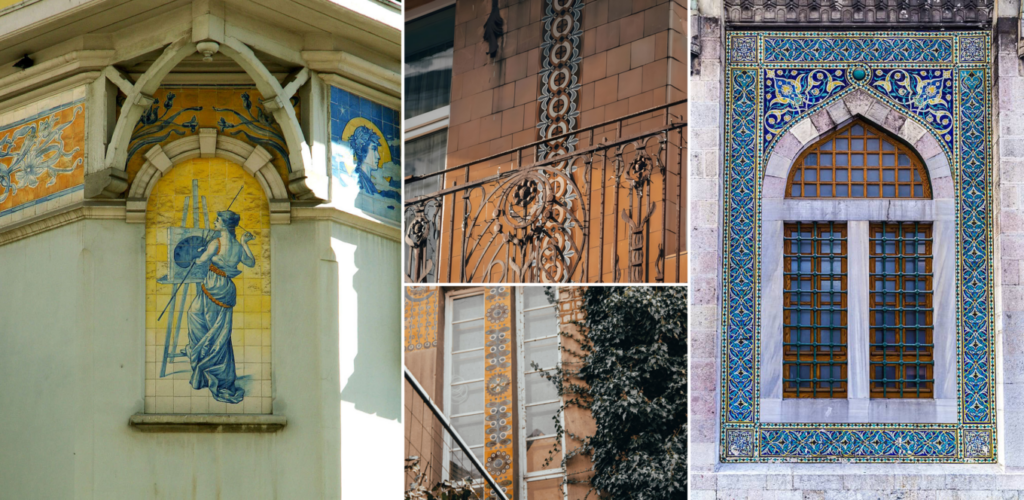
Virtually all societies have a tradition of manufacturing ceramic materials that has evolved over the centuries. The geometric mosaics and "carpet" tiles of the Islamic world, the green ant tiles of medieval Russia and Western Europe, Spanish majolica, Portuguese blue and white tiles, the artistic tiles of Art Nouveau, and the Metla tiles, which were very common in Europe, and particularly in Ukraine, in their time.
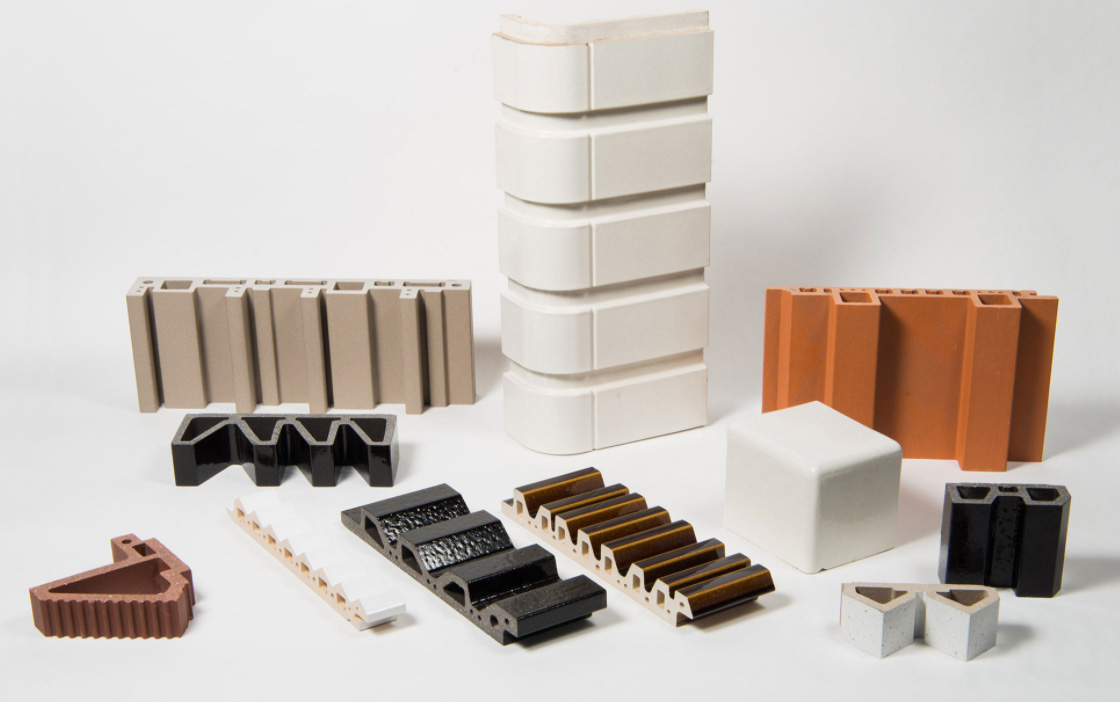
Sviatoslav Shilin, CEO of BUDZIRKA, who has been a brand ambassador for HPL panels Fundermax and fiber cement Swisspearl for 20 years, and currently represents premium architectural ceramics from German manufacturers Agrob Buchtal, TONALITY, and MOEDING in Ukraine, shared his thoughts on the properties of ceramics that make it relevant today. According to him, architectural ceramics have maintained their popularity for so long because they solve various functional and aesthetic problems. It is a very stable and durable material that protects the building from climatic and atmospheric influences. The expressiveness and mastery of ceramic products, their ability to emphasize facade forms and provide additional light play, are unique and unsurpassed.
“Casi no hay arquitectos, diseñadores ni clientes indiferentes a la cerámica, dado el material de origen y la actitud tradicional ucraniana hacia ella. Si esto ocurre, lo más probable es que se deba a la falta de información.”
Svyatoslav Shilin: "There are almost no architects, designers, or clients indifferent to ceramics, given the source material and the traditional Ukrainian attitude towards it. If this happens, it is most likely due to a lack of information."
Solutions that use ceramics are not "casual"; these buildings go beyond utilitarianism and communicate with the viewer and the space as art objects.
In architecture, ceramics are not just a material or a tool, but also a symbol. It is a marker of an era, of a social order: it reflects the lifestyle, worldview, and values of a society at a given time.
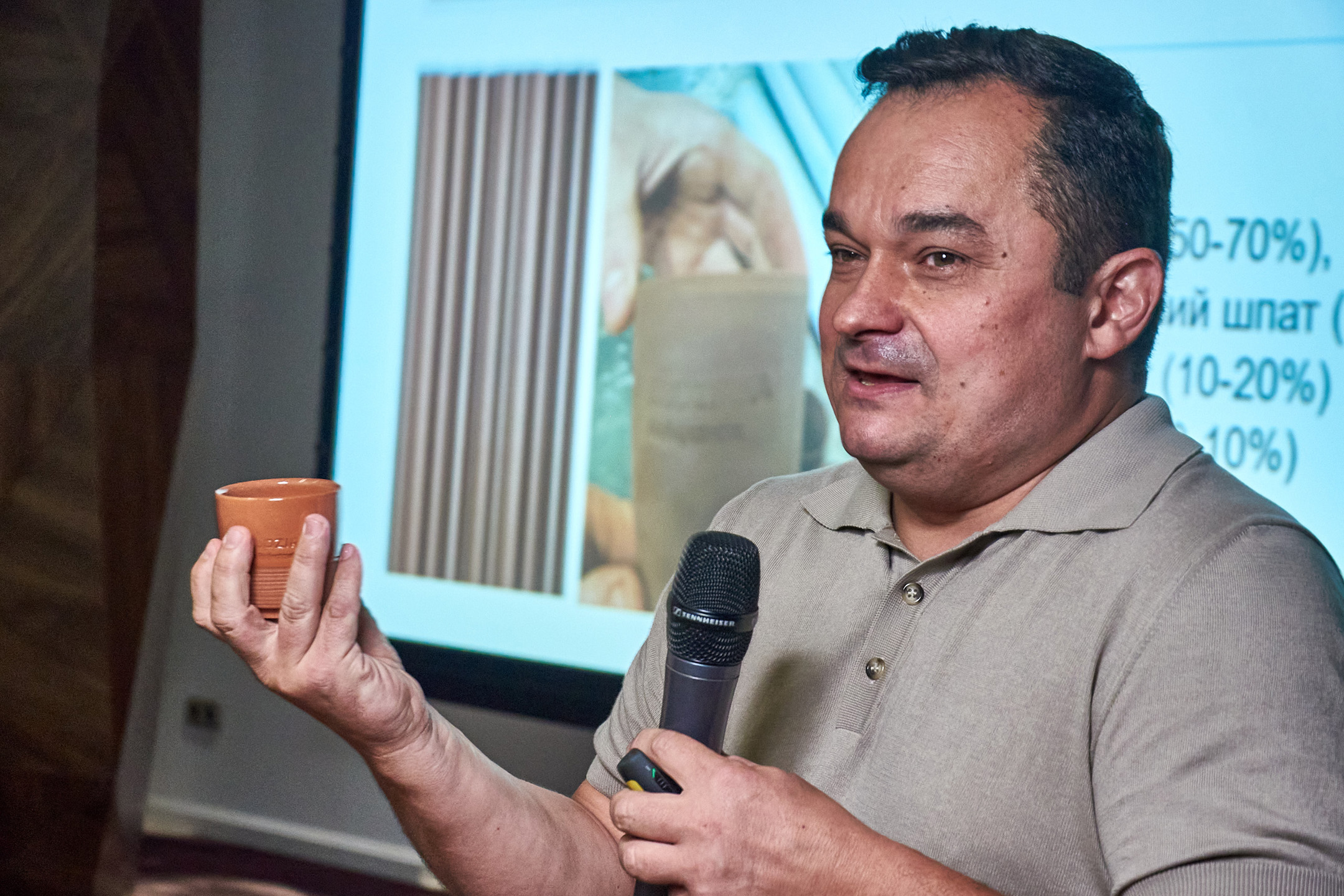
According to architect Anton Oliynyk, ceramic materials act as a kind of cultural bridge between the past (the beginning of European civilization, contemporary ceramics, and craftsmanship) and our future:
“La cerámica es absolutamente natural; no se altera con el tiempo o estos cambios ocurren muy lentamente. Es un material ‘eterno’ que envejece con gracia, a diferencia de los plásticos de construcción. Tiene un buen rendimiento en instalaciones residenciales y públicas. Me gustaría que estos materiales se volvieran a producir en Ucrania y que empezáramos a utilizarlos a gran escala.”
Anton Oliynyk: "Ceramics are absolutely natural; they do not alter with time or these changes occur very slowly. It is an 'eternal' material that ages gracefully, unlike construction plastics. It performs well in residential and public facilities. I would like these materials to be produced again in Ukraine and for us to start using them on a large scale."
Source: Read the original article | Published: September 12, 2025