
Editor's Note
This editor’s note highlights the key facts and market implications behind “From Mix to Fix: The Benefits of Single-Componen”, with emphasis on sourcing, product fit, fabrication, logistics, or buyer impact.
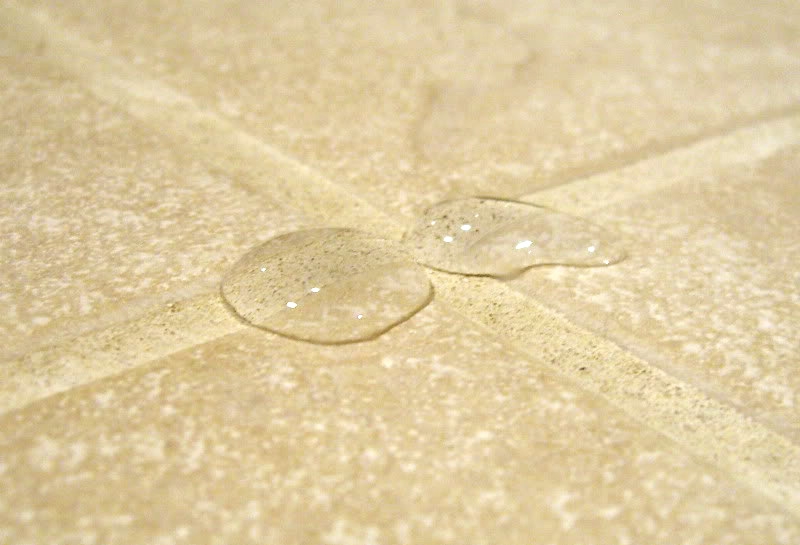
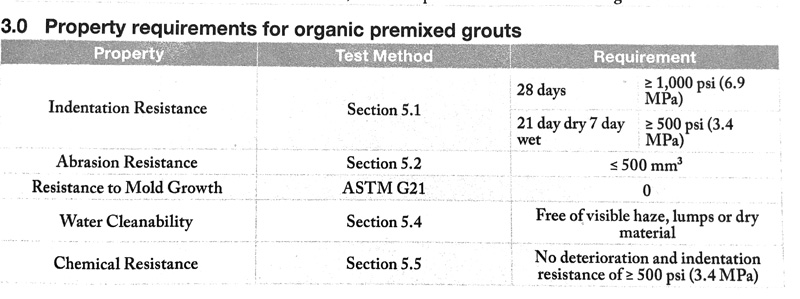
A significant development for single-component grout is the introduction of dedicated ANSI standard designations: ANSI A118.19, Organic Premixed Grouts for Installation of Ceramic Tile and ANSI A108.22, Installation of Premixed Grout in Tilework. This standardization underscores the advancements in the product, ensuring quality and reliability in every application. The standards are applicable for tiles defined by ANSI A137.1, Specifications for Ceramic Tile; ANSI A137.2, Specifications for Glass Tile; and ANSI A137.3, Specifications for Gauged Porcelain Tile and Gauged Porcelain Tile Panels/Slabs. Polymers play a crucial role in grout composition by forming a strong adhesive bond between the organic filler and pigment components and the tiles’ edges. This enhances crack and abrasion resistance and boosts water and stain resistance. Another great advantage of the polymers in single-component premixed grouts is the elimination of efflorescence, as they do not use portland cement as a binder in their formulation. Single-component grouts never require a sealer. The adhesive polymer fills very small voids between the organic filler and pigments, creating an impenetrable film on the grout’s surface. Lacking open pores, the cured grout is easier to clean, and mold and bacterial growth within the grout are eliminated. Some single-component grouts even exceed epoxy grout’s stain resistance to common stains. Considering its many attributes, a single-component, premixed organic grout seems to eliminate the need for cementitious and epoxy grouts. The term “organic” is often associated with mastics, and single-component grouts share some general similarities with them. These grouts can offer several potential benefits: improved indoor air quality due to lower VOCs, a safer option for installers who are allergic to epoxy-based products, and easier maintenance since they are more resistant to staining. One grout product can now be used on all residential and commercial tile installations, but can a grout choice be this simple? Unfortunately, not. For a better understanding of tile setting methods and materials, ANSI A108, A118, and A136, Standard Specifications for the Installation of Ceramic Tile and the TCNA Handbook for Ceramic, Glass and Stone Tile Installation should be in everyone’s technical library. There are several necessary ANSI standards for tile grouts.
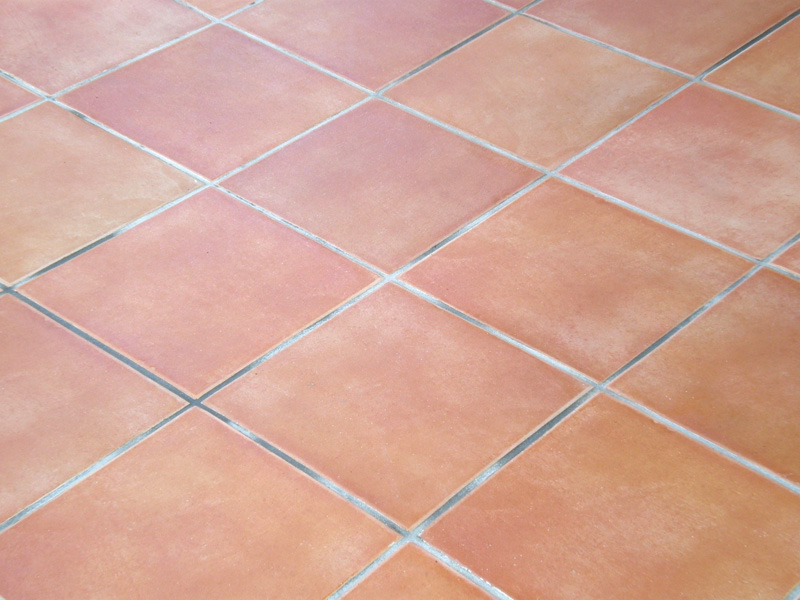
The specification, ANSI A108.10, Installation of Grout in Tilework, describes the minimum requirements for grouting ceramic, porcelain, glass, and natural stone tile. It is currently under review for revision. Some of the pending revisions will better define the grouting requirements of large-format tiles, particularly large rectangular formats exhibiting warpages and installed with offset grout joints, as well as the different performance characteristics of each grout type. Inexpensive grouts are available, saving money at installation. Still, additional costs may accrue for the project owner once the tiled surface is in service, such as regular maintenance, repair, and even replacement. Let’s briefly compare the pros and cons of each grout type. For a more detailed product comparison, it is important to read the manufacturers’ technical data sheet for product performance, ANSI standard designations, limitations, and installation instructions.
ANSI 118.6—Standard Cement Grouts for Tile Installation
Portland cement-based grouts (ANSI A118.6) are most prone to efflorescence. Sanded grout is likely to scratch polished stone tiles: limestone, travertine, marble.
ANSI A118.7—Standard Specifications for High Performance Cement Grouts for Tile Installation
Less likely to scratch polished stone, but a test area is recommended. More color uniformity with different tile types, as well as with varying temperatures and humidity during installation and curing.
ANSI A118.19—Standard Specifications for Organic Pre-mixed Grouts for Installation of Ceramic Tile
Low temperatures or excessive moisture following installation will inhibit polymer reaction and drying, causing staining of porous natural stone and cement tiles. Less likely to scratch polished stone, but a test area is recommended.
ANSI A118.3—Standard Specifications for Chemical Resistant, Water Cleanable Tile-Setting and -Grouting Epoxy and Water Cleanable Tile-Setting Epoxy Adhesive
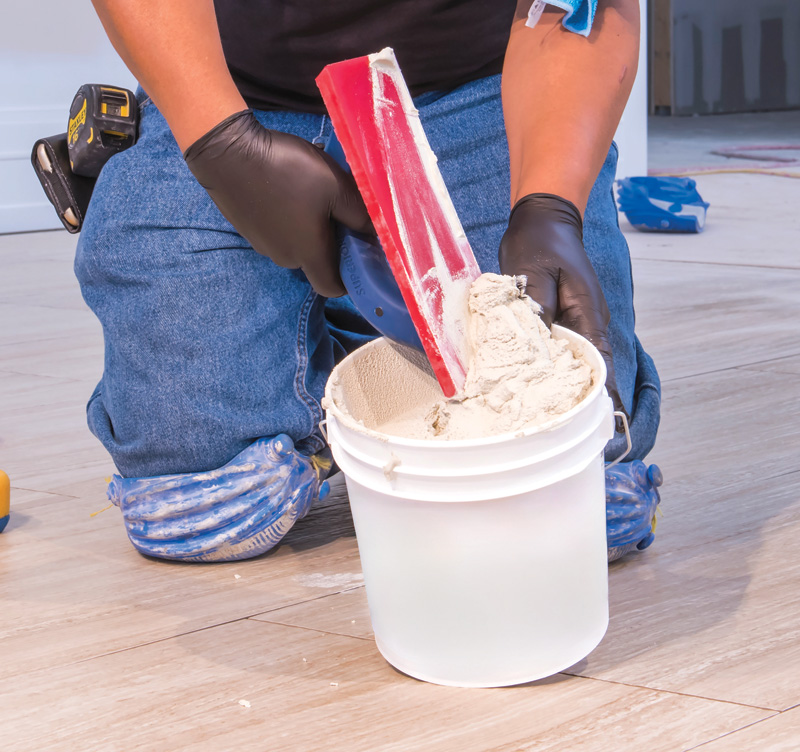
Low ambient and slab temperatures delay curing and negatively affect workability. Less likely to scratch polished stone, but a test area is recommended. Polymers have been used in various construction products for many years. They have become a key component in natural stone and porcelain tile setting materials since advancements in polymer technology provide stronger and more durable installations, particularly in response to thermal cycling, continuous moisture exposure, heavy impact, and static and dynamic loads. Polymers are compounds formed by linking a monomer into repetitive chains. This bonding process (polymerization) creates an improved microstructure that retains and enhances the original monomer’s characteristics. When used as a binder in tile grouts, the improved characteristics are bond strength, adhesion, impact resistance, and moisture and chemical resistance.
Source: Read the original article | Published: June 05, 2025