
Editor's Note
This editor’s note highlights the key facts and market implications behind “Goodbye to Bathtubs: The Trend That Will Reign i”, with emphasis on sourcing, product fit, fabrication, logistics, or buyer impact.
Maintaining proper personal hygiene is essential for presenting a good image and caring for your health. One of the most important aspects of this is showering. The most common setup is to have a bathtub; however, this could change starting next year.
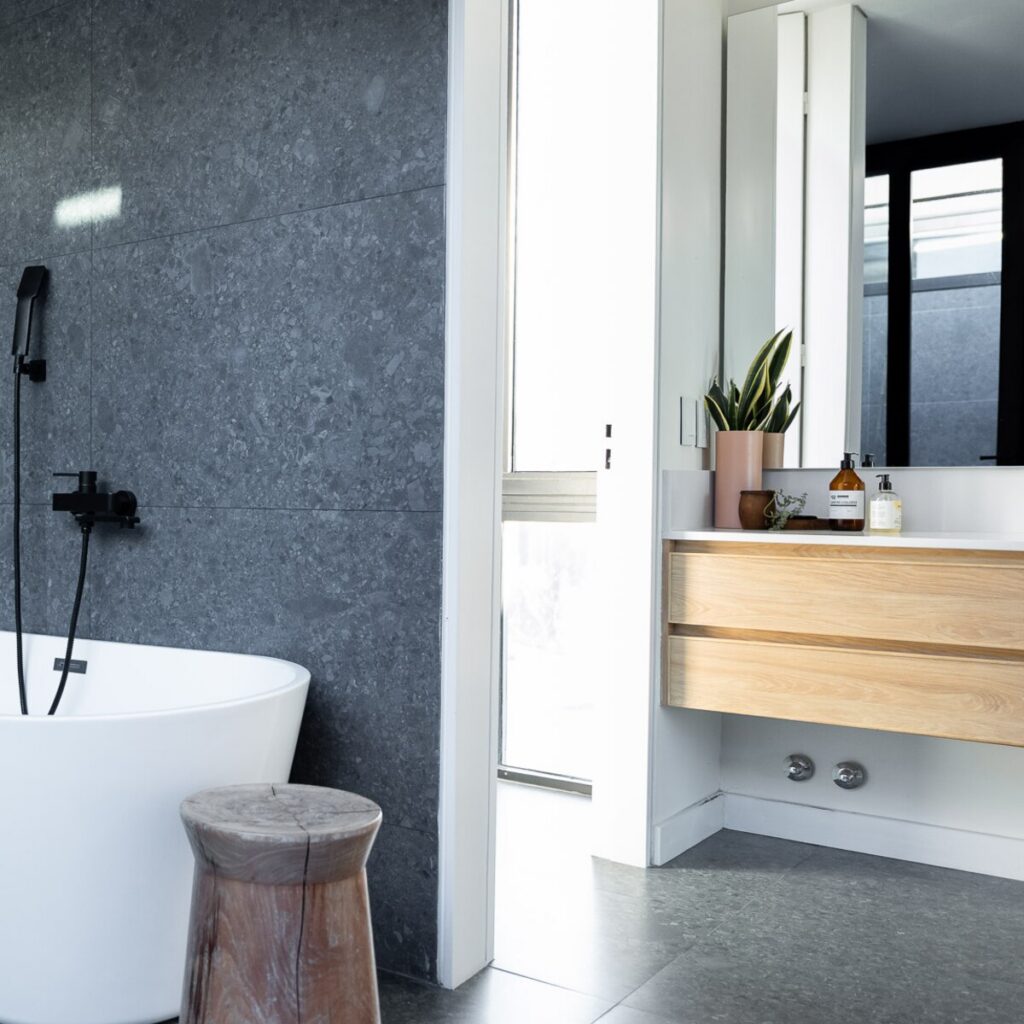
According to interior design experts, classic elements will gradually disappear from bathrooms, and one of the first to be affected will be the bathtub. Although it has been linked for decades to a symbol of luxury and well-being, it is now taking a back seat.
The transformation responds to changes in habits, better utilization of space, and, primarily, concerns related to water consumption and cleaning. There is now a demand for immediacy, space savings, and a reduction in water used.
The Option That Will Replace the Bathtub
Renovation projects and new trends in bathroom design announce a clear transition: the jointless shower will become the main alternative to the bathtub in the coming years. According to reports published by the National Kitchen and Bath Association (NKBA), this type of shower, characterized by its continuous surface and minimalist appearance, is becoming established thanks to the advantages it offers in both design and functionality.
Decision-making when renovating a bathroom largely responds to practical criteria. Concerns about responsible water consumption, hygiene, and ease of use are directly influencing the preference for showers over bathtubs.
The jointless shower offers a format that adapts to spaces of all types, even in bathrooms with reduced dimensions. By eliminating the bathtub, usable surface area is freed up, allowing for the installation of larger, more customized showers.
Easy Cleaning and a Mold-Free Environment
One of the critical points in bathroom maintenance is the grout joints between tiles, where dirt residue, moisture, or even microorganisms like mold and bacteria tend to accumulate. Jointless showers, manufactured with materials such as marble, sintered stone, or large porcelain slabs, allow for continuous surfaces that are much easier to clean.
The materials used in these showers also promote durability and resistance to impacts or limescale buildup, common problems in traditional showers. Thus, the initial investment is offset by a longer lifespan and lower repair costs.
Aesthetics and Customization Possibilities
Aesthetic value is an element that also does not go unnoticed in the new trends. Jointless showers create a feeling of greater spaciousness, cleanliness, and cohesion in the space. Their minimalist design allows them to be integrated discreetly into environments of any style, from classic to modern.
Furthermore, the installation of these showers is faster than that of a traditional bathtub. For a complete installation, the work can take just one or two days. The absence of joints not only eliminates the mold problem but also reduces the time and costs associated with cleaning and maintenance.
Source: Read the original article | Published: September 08, 2025