
Editor's Note
This editor’s note highlights the key facts and market implications behind “Don’t Overdo the TV Wall! These 3 Designs Will B”, with emphasis on sourcing, product fit, fabrication, logistics, or buyer impact.
The TV wall is no longer just a place to put a TV. Today, it serves as the core that connects visual appeal, functionality, and even storage and display in the home. If you're planning a renovation or a new TV wall, this guide is perfect for first-time decorators, new homeowners, or anyone looking to upgrade their home's ambiance on a small budget—covering style selection, material choices, layout planning, and storage and display ideas. Follow these steps to avoid common pitfalls and upgrade your TV wall without hassle!
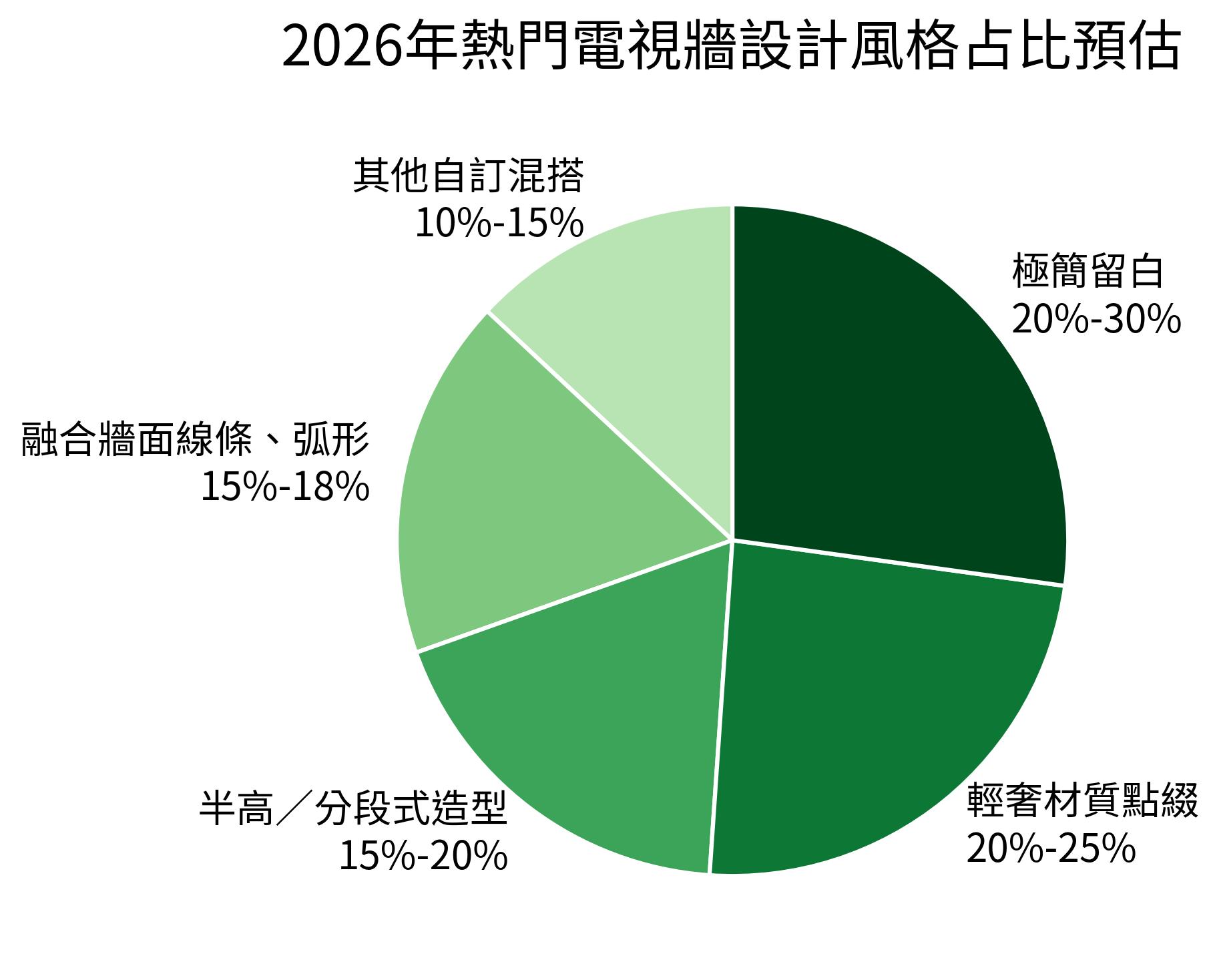
1. Popular TV Wall Design Styles for 2026 at a Glance
Minimalist White Space Design —Less is more for an expanded sense of space. Focusing on white space, this approach strips away excessive decoration and shapes, using simple lines and a unified color palette to create a comfortable, clean look that visually enlarges the area. It's especially suitable for small spaces or homes emphasizing spatial feel, making focal points in the room stand out more. Luxurious Material Accents —Marble, aluminum strips, and wood contrasts enhance texture. Mixing marble, aluminum strips, and wood is popular. For example, a marble backdrop with metal strips or thin aluminum grilles easily boosts overall texture without losing warmth; wood elements add a more inviting feel to the space. Half-Height or Segmented Designs —Clear zoning for both display and storage. TV walls don't have to be floor-to-ceiling. Half-height walls can cleverly divide spaces while serving display and storage functions. Island-style or corner segmented designs are also trending, especially for small or multifunctional layouts. Integrated Wall Line Designs —Curved and grille structures add depth. Curved shapes, grille structures, and carved panels are very popular this year. Using different vertical and horizontal lines or soft curves adds layers, easily adapting to Nordic, modern, or loft industrial styles. Image provided by Simple Style Studio. Click to view project details.
2. Common TV Wall Material Pairings and Selection Guide
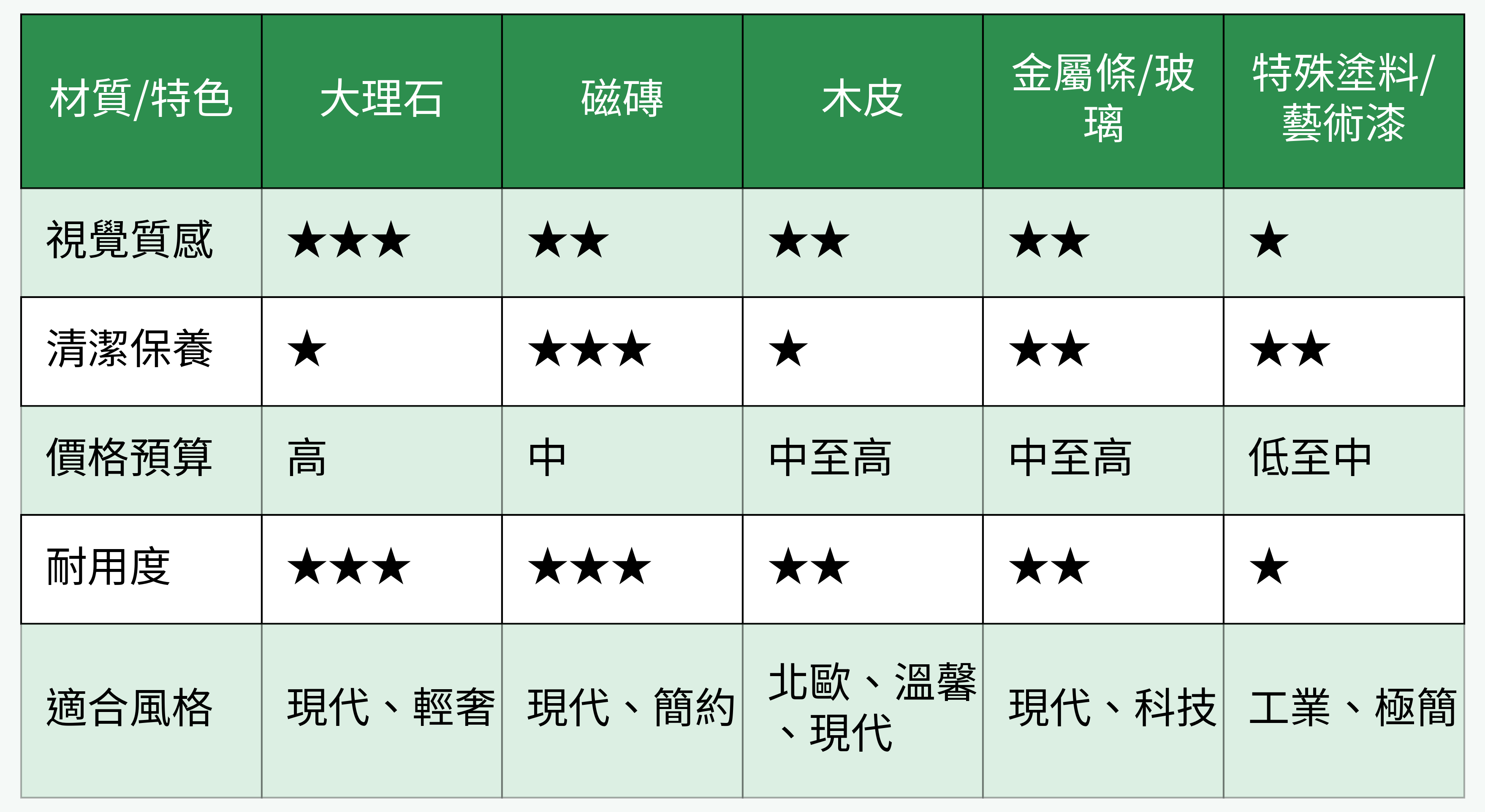
1. Marble, Tiles, Wood Veneer Marble, tiles, and wood veneer are three classics. Marble with hidden light strips looks ultra-luxurious, tiles are stain-resistant and easy to clean, and wood veneer offers a natural, warm feel. For a more budget-friendly option, try specialty paints or artistic coatings—saving money while still achieving a designer look. 2. Metal Strips, Glass, Specialty Coatings Metal strips (aluminum alloy, gold) or glass accents, even hidden door wall effects, are very eye-catching. 3. Hidden Storage Cabinet Material Selection Prioritize durability. Cabinet bodies are often made from engineered panels, fir, or moisture-resistant plywood. Cabinet doors should match the style's color scheme. For a low-key storage effect, use the same color and material as the wall to make the cabinets virtually invisible. 4. Combining Multiple Materials for Layered Design Focus on creating a sense of depth. Combining different materials like wood veneer with marble or exposed concrete with black glass can create the most fashionable visual effects.
Take a photo of your space, and AI can instantly redesign it—get an image in 1 minute.
3. Practical Storage and Display Design for TV Walls
1. Floating Bottom Cabinets Lightweight and non-intrusive, they reduce visual pressure, are easy to clean underneath, and allow robot vacuums to pass through. 2. Side Cabinets/Frames for Extra Storage Use the left and right sides to add storage, ensuring no space is wasted. 3. Embedded Display Shelves/Cable Management Systems Neatly hide cables and use display shelves to make collectibles or figurines a highlight of the room. 4. Flexible Modular Storage Movable shelves or modular cabinets can be freely adjusted based on needs, making storage easy for families with children or different members. Image provided by Ju Design Studio. Click to view project details.
4. TV Wall Size Proportions and Layout Planning
1. Recommended Living Room Size and TV Wall Distance The TV wall width should ideally be at least twice the TV width to balance the visual. The center of the TV should be about 100–120 cm from the floor for comfortable eye level when seated on the sofa. The distance between the TV and sofa is recommended to be 2–2.5 times the screen diagonal. For example, a 55-inch TV requires about 2.8–3.5 meters. 2. Relationship Between TV Wall, Sofa, Coffee Table, and Traffic Flow Arrange the sofa, coffee table, and pathways with the principle of openness and no obstruction. 3. Leave Appropriate White Space to Avoid Compressing the Space Even in limited spaces, leave some blank areas on the TV wall, sides, or top to prevent the wall from feeling cramped when filled with cabinets.
4. Suitable Placement and Storage Zoning for Different TV Wall Types For half-height walls, segmented designs, or recessed TV walls, divide the wall into zones: the main wall for the TV, with cabinets below and on the sides for storage, and reserved display areas. Multifunctional walls should combine storage, display, and design, zoning according to spatial functions. 5. Best Locations for Outlets and Cable Pre-Runs Pre-install key outlets, network cables, etc., in the most convenient locations for future device additions, and pay attention to cable concealment and aesthetics. Image provided by Ziran Design Studio. Click to view project details.
5. TV Wall Construction and Budget Tips
1. Wall Reinforcement and Load-Bearing Considerations TV walls often require wall reinforcement. Discuss load-bearing needs with your designer, especially for wall-mounted TVs, to ensure proper fixing methods. 2. Pre-Plan Cable Runs and Conduit Organization Plan cable routes early in the renovation process for a tidy appearance and easier future maintenance. 3. Budget Control—Material Proportion Trade-offs When on a budget, invest more in the main visual material, and use cost-effective engineered panels for storage cabinets. 4. Balancing Storage and Display Functions Balance storage and display functions. If future renovations are planned, choose modular or easily disassembled designs for flexibility. 5. Post-Completion Maintenance and Future Modification Flexibility Maintenance tips: Regularly clean glossy materials like marble or tiles, and protect wood with moisture-proofing and waxing. By following these five key points—setting a visual theme, selecting materials, arranging positions, organizing cables, planning storage and display, and allocating the budget—you can achieve a stylish, functional TV wall that fits your budget. Give your new TV wall a big success, making the whole family want to spend every day in the living room enjoying this beautifully crafted wall!
Source: Read the original article | Published: February 08, 2026