
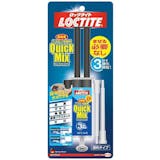
Editor's Note
This editor’s note highlights the key facts and market implications behind “Recommended Popular Epoxy Adhesive Rankings [For”, with emphasis on sourcing, product fit, fabrication, logistics, or buyer impact.
This is a bond suitable for bonding concrete and stone, and for filling tile joints. It has a wide operating temperature range of -40 to 150°C and is waterproof. Its good low-temperature characteristics make it usable in various environments.
For concrete, stone, ceramics, tiles, etc.
Recommended Popular Epoxy Adhesive Rankings [For Metal & Tile Bonding | April 2026]
Epoxy adhesives create a strong bond by mixing two types of liquid. They are suitable for metals like aluminum and ceramics like tiles, with some also usable on plastics. However, curing times vary widely (e.g., 5, 30, 60 minutes), and manufacturers include Konishi, Cemedine, ThreeBond, among others. This can make it difficult to choose which one to buy.
Therefore, this time we introduce recommended popular epoxy adhesive rankings and how to choose them. We also explain the uses, key usage points, and removal methods for epoxy adhesives. Use this guide to achieve perfect bonding for items that are difficult to join with ordinary adhesives.
What is Epoxy Adhesive for Strong Bonding of Hard Materials?
Epoxy adhesive is a bonding agent that cures using two liquids: a base agent and a hardener. The base is "epoxy resin," which undergoes a chemical reaction when mixed with the hardener, "polyamine compounds," to cure. It excels in heat and water resistance and is ideal for bonding hard materials like metal, ceramics, and glass. Some products can also be used on plastics.
Unlike general adhesives, epoxy adhesives bond through a chemical reaction when the two components are mixed. They are characterized by minimal shrinkage (volume reduction) during curing, which is common in typical adhesives, resulting in little volume change.
Epoxy adhesives are suitable for filling holes, gaps, and repairing chips.
The uses for epoxy adhesives are varied. For example, user reviews mention using them for broken ceramic cups, snapped headphone headbands, broken fishing rod tips, and detached bathroom tiles. They are also convenient for attaching loose figurine parts. Since they can be used on many items, having one on hand can be very useful.
How to Choose an Epoxy Adhesive
We introduce the "three key points" you should definitely check when choosing an epoxy adhesive.
1. Check the Curing Time
Curing time varies by product, so choose according to what you want to bond.
For bonding small items like figurine parts, broken piggy banks, or mugs, fast-drying types like “5-minute cure” are recommended.
Some even offer faster curing, like "2-minute cure" types.
For securely bonding larger items, types with longer curing times like “30-minute cure” or “60-minute cure” are more suitable.
These types are characterized by stronger bonding power for hard materials. The longer curing time allows for slowly aligning parts after applying the adhesive or correcting misaligned surfaces during the process.
Note that the curing time listed on the product package refers to the time until the adhesive begins to harden, not the time until the parts are fully bonded. The time to complete solidification varies by product, so check the back of the package. Many user reviews on e-commerce sites provide detailed accounts of how long bonding took, which can be helpful.
2. For One-Time Use, No-Mix Types are Convenient
For one-time use, no-mix types where you don’t have to blend the two components are convenient.
Simply pressing the nozzle mixes the two components inside the tip, delivering them ready to use without hassle. You can apply it directly to the desired area for easy use. As they are single-use, they are not suitable for repeated applications, but are a good candidate for one-time jobs.
3. Choose a Clear Type if You Don't Want it to Stand Out
If you don’t want the seam to be noticeable, choose products labeled “clear type” or “transparent type.”
The liquid is transparent, so the seam is less visible, and any overflow won't detract from the appearance. This is suitable for bonding accessories, figurines, transparent glass vases, etc.
However, be cautious as some products may appear yellowish after drying. If concerned, it's recommended to check user reviews that mention the color after use.
Source: Read the original article | Published: April 08, 2026