
Editor's Note
This editor’s note highlights the key facts and market implications behind “GST on Construction Materials in 2025: Latest Re”, with emphasis on sourcing, product fit, fabrication, logistics, or buyer impact.
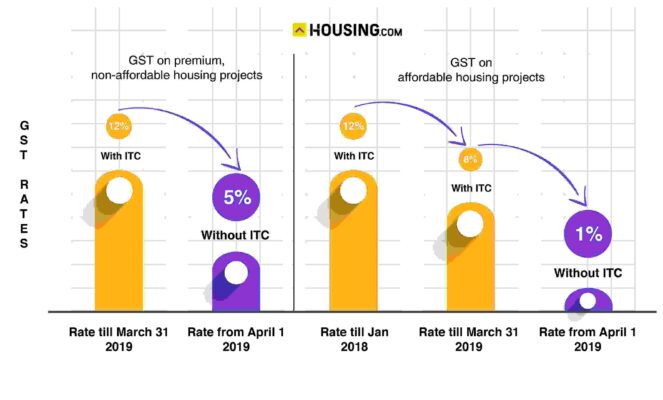
The implementation of the Goods and Services Tax (GST) in India has significantly influenced the construction sector by altering the tax landscape for various building materials and services. Here’s how GST affects the overall cost of construction.
GST on Construction and Building Materials
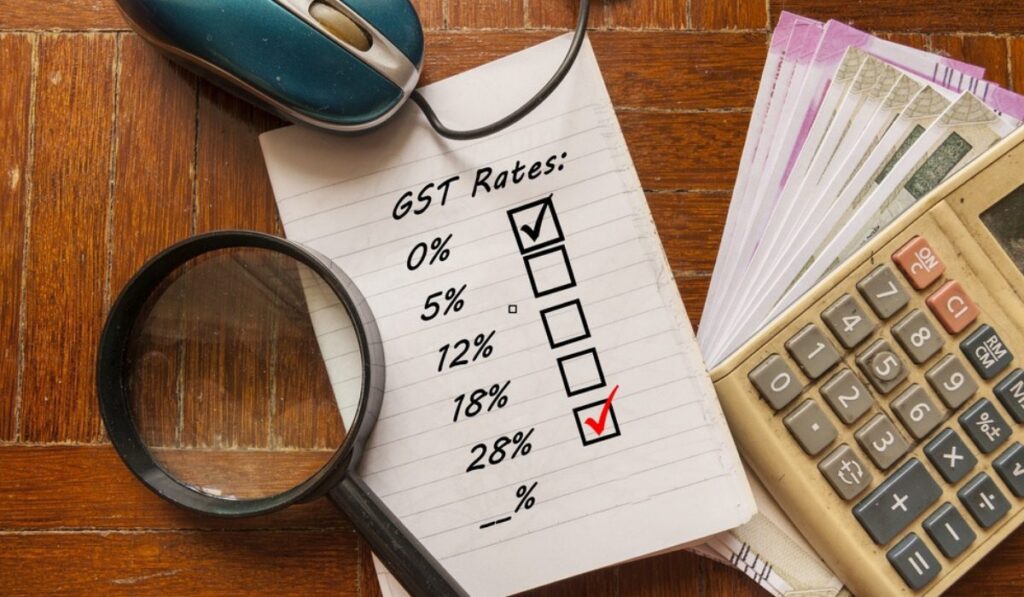
The GST rate on construction materials and building materials ranges between 5% and 28%. Under GST 2.0, most slabs were rationalized, simplifying compliance and lowering costs for the sector. For example, materials such as artificial stone, concrete tiles, cement-based blocks, and glass paving blocks now fall within the 18% slab, replacing the earlier 28% rate.
GST on Gravel and Crushed Stone
Building stones such as basalt, sandstone, porphyry, and other similar materials continue to be taxed at 5%. Likewise, pebbles, gravel, and crushed stones used in concrete also attract a 5% rate. This slab remains unchanged under the 2025 revisions.
GST Rate on Building Stone
Porphyry, basalt, sandstone and other monumental or building stone, both in blocks and slabs, are taxed at 5%.
GST Rate for Tiles (Old vs New)
Most interior materials earlier taxed at 28% have now been rationalized to 18%. Earthen or roofing tiles: 5% Bamboo flooring tiles: 5%
Other tiles (glazed ceramic, plastic, concrete, artificial stone, ceramic flooring blocks, wall tiles): 18%
GST on Sanitary Ware
Ceramic sinks, washbasins, closet pans, urinals: 18% Sanitary ware parts (iron & steel): 18%
GST on Marble and Granite
Earlier, marble and granite had dual slabs (12% for blocks and 28% for finished products). Under the 2025 revision, rates have been brought down and simplified. 5%: Marble and granite blocks. 18%: Finished marble and granite products. This change significantly reduces costs for flooring and finishing works compared to the earlier 28% bracket.
GST on Bricks
5%: Building bricks, fossil bricks, and fly-ash bricks (previously taxed 5–12%).

Supply of bricks is now standardized under 5%, replacing the earlier dual structure (12% with ITC or 6% under composition).
GST on Cement (Revised)
All major types of cement (Super sulphate, Slag, Aluminous, Portland) have been reduced from 28% to 18%. Refractory cement, mortars, and concrete have moved from 12% to 18%.
GST on Murum Soil
Murum soil, also known as Muram, is widely used in plinth filling, road pavements, and footing pits. Earlier taxed at 18%, it now falls under the 5% slab in line with other natural construction inputs like sand and gravel.
GST on Steel
All iron and steel products, including rods, wires, blocks, and rolls, are subject to a uniform GST rate of 18%.
GST on Coal
The Indian government has eased the tax burden on coal producers by placing coal in the 5% GST tax bracket.
Works Contracts
A works contract covers building, installation, repair, and maintenance. Earlier, slabs varied between 12% and 18%. Now, the rate is standardized at 12% for residential projects and 18% for commercial projects.
Source: Read the original article | Published: October 27, 2025