
Editor's Note
This editor’s note highlights the key facts and market implications behind “Impact of Iran Conflict on India and the Number “, with emphasis on sourcing, product fit, fabrication, logistics, or buyer impact.
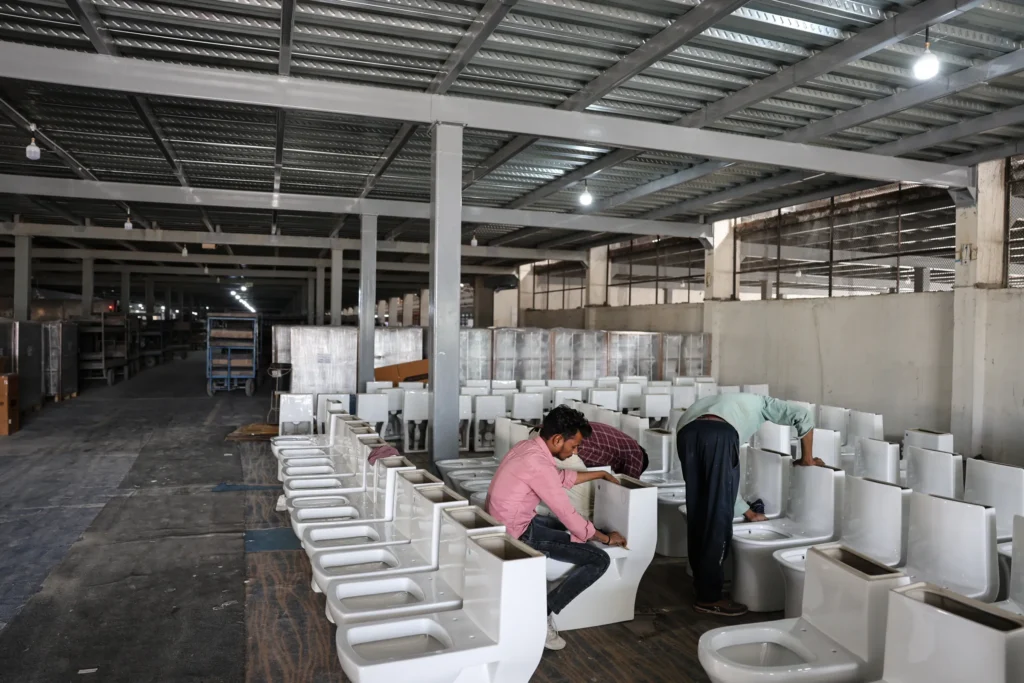
The crisis shaking the Middle East is extending to South Asia, hitting the ceramic industry in Morbi, western India, head-on. The shortage of natural gas and propane, resulting from blockades in the Strait of Hormuz, is paralyzing a multi-billion dollar sector and plunging tens of thousands of migrant workers into precariousness.
According to information reported by Al Jazeera, the recent military escalation involving Iran, the United States, and Israel has triggered a fuel supply crisis. In Morbi, the nerve center of ceramic production located in the state of Gujarat, this situation has led to the shutdown of at least 450 of the region's 600 companies. These factories depend on propane and natural gas to power their high-temperature kilns.
The prolonged closure of these production units is generating immediate economic repercussions. The sector, valued at six billion dollars, accounts for about 80% of India's production of tiles, toilets, and washbasins. Exports, which represent 1.5 billion dollars in revenue to Europe, Africa, and the Middle East, are now delayed or completely halted.
This industrial paralysis directly affects 200,000 of the 400,000 workers in the Morbi hub. Al Jazeera reports that more than a quarter of these workers, mostly from less industrialized Indian states like Uttar Pradesh or Bihar, have been forced to return to their home regions, fearing a repeat of the distress of the exodus linked to the COVID-19 pandemic.
The halt in activity also highlights an underlying health crisis within the workforce. Many laid-off workers are discovering, during medical consultations upon their return, that they suffer from silicosis. This incurable lung disease is caused by prolonged inhalation of silica dust. The lack of personal protective equipment, such as masks or gloves, and poor ventilation in production spaces are to blame.
The situation of the workers is all the more fragile as many ceramic companies provide no written proof of employment. The absence of employment contracts or pay slips deprives these migrant workers of any access to social security and legal recourse, making it difficult to file claims for occupational diseases contracted at their workplaces.
Source: Read the original article | Published: April 21, 2026